Regenerative Agriculture
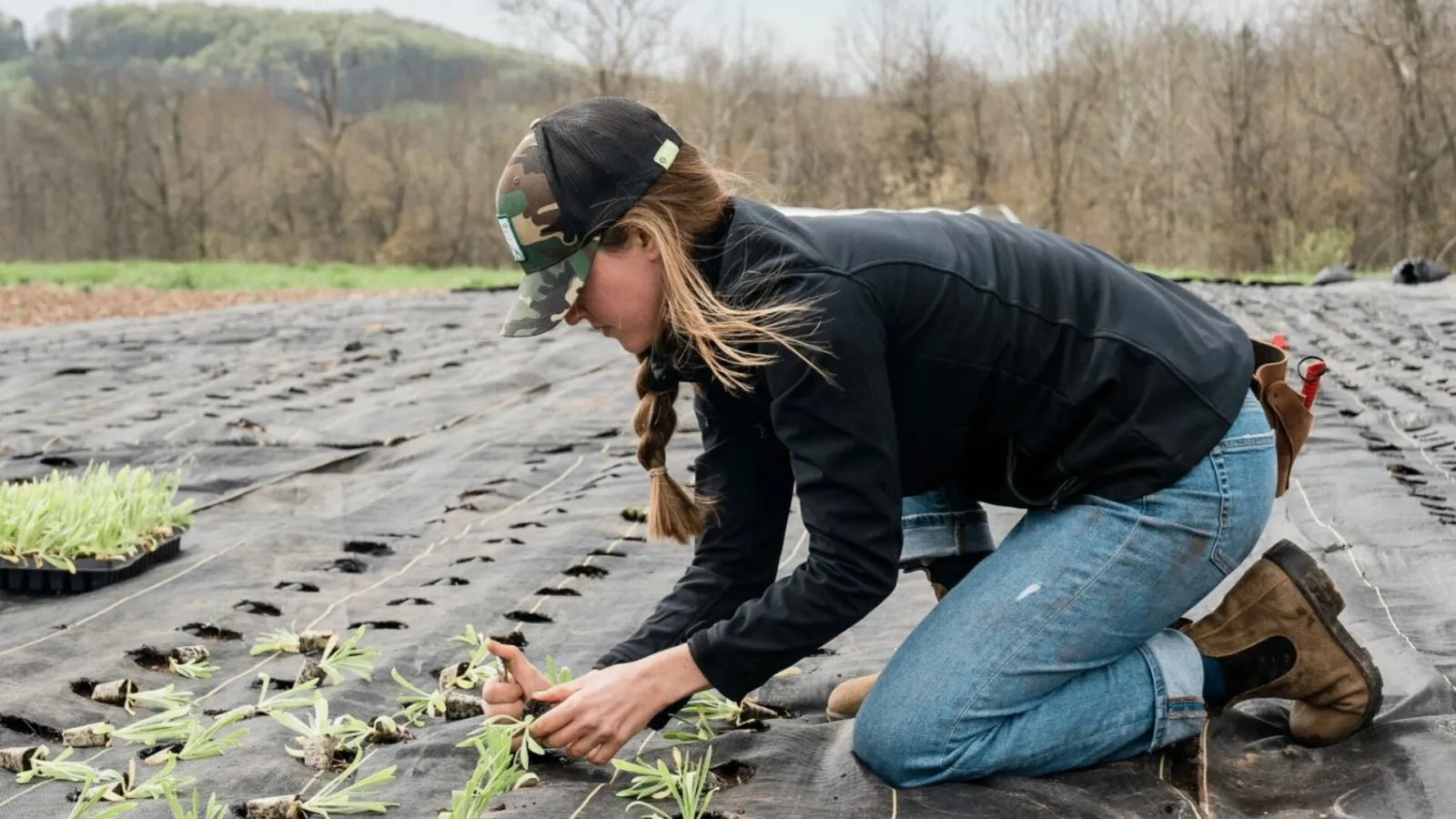
In the search for a more sustainable and resilient agriculture, regenerative agriculture has emerged as a promising strategy. This approach not only seeks to mitigate the negative effects of conventional agriculture but also aims to regenerate and revitalize agricultural ecosystems. In this blog, we will delve into what regenerative agriculture is, its benefits, and how it is transforming the way we grow our food.
What is regenerative agriculture?
Regenerative agriculture is a holistic approach focused on the continuous improvement of agricultural systems by restoring soil health and promoting biodiversity. Unlike conventional agriculture, which often degrades soil and depletes natural resources, regenerative agriculture works to restore natural balance, increasing the soil's capacity to retain carbon, water, and nutrients.
Main practices of regenerative agriculture
Crop Rotation and Cover Cropping
Crop rotation and the planting of cover crops are fundamental practices in regenerative agriculture. These techniques help improve soil structure, reduce erosion, and increase soil biodiversity, which in turn promotes greater crop health.
Composting and Application of Organic Fertilizers
The use of compost and organic fertilizers is another key practice. These materials enrich the soil with organic matter, improving its fertility and water retention capacity, while encouraging beneficial microbial activity.
Tillage Reduction
Minimizing tillage is crucial to avoid soil disturbance and the loss of stored carbon. Regenerative agriculture favors no-till farming and other minimum tillage techniques that preserve soil structure and reduce erosion.
Agroforestry
Integrating trees and shrubs into agricultural systems (agroforestry) provides numerous benefits, such as improved biodiversity, protection against erosion, and the creation of habitats for wildlife.
Holistic Livestock Management
Planned grazing rotation is another regenerative practice that improves soil fertility and promotes biodiversity. By moving livestock strategically, overgrazing is avoided and soil health is improved.
Integration of Technology in Regenerative Agriculture
Regenerative agriculture, although based on natural principles, is also benefiting from technological advances. Precision agriculture tools like drones, satellite images, and remote sensors allow for precise monitoring of soil health and vegetation, optimizing the implementation of regenerative practices. Big Data and predictive analysis play a crucial role in predicting yields and nutrient management, increasing efficiency and reducing unnecessary input use.
Furthermore, remote sensing and artificial intelligence (AI) are being used to analyze large volumes of data on crop status, helping to quickly identify potential problems and apply sustainable solutions that minimize environmental impact. These advances are facilitating the transition of more farmers toward regenerative practices by providing them with the necessary tools to make informed, data-driven decisions.
Global Adoption and Challenges
Regenerative agriculture is being adopted worldwide, from small-scale farms to large agro-industrial companies. However, widespread adoption faces several challenges, including resistance to change, lack of knowledge about these practices, and the need for initial investment.
To overcome these obstacles, it is fundamental to provide education and training to farmers on the long-term benefits of regenerative agriculture. Additionally, government support and the creation of favorable policies can facilitate the transition toward more sustainable agricultural practices.
Benefits of regenerative agriculture
The adoption of regenerative agriculture offers numerous benefits for both farmers and the environment:
- Improved soil health: by increasing organic matter and soil biodiversity, its structure, fertility, and water retention capacity improve, reducing the need for chemical inputs.
- Carbon sequestration: one of the most notable advantages is its ability to sequester carbon in the soil, helping to mitigate climate change.
- Climate resilience: regenerative systems are more resilient to extreme events like droughts and floods, thanks to improved soil structure and health.
- Biodiversity conservation: by encouraging biological diversity both in the soil and on the surface, it promotes healthier and more productive ecosystems.
Regenerative agriculture represents a paradigm shift in the way we understand and practice agriculture. By focusing on the restoration and continuous improvement of agricultural ecosystems, this strategy not only offers a path to greater sustainability and productivity but also helps combat climate change and protect our natural resources. By adopting regenerative practices, farmers can improve soil health, increase biodiversity, and ensure a more sustainable agricultural future for future generations.