Agroenergy: When Agriculture Also Produces Electricity
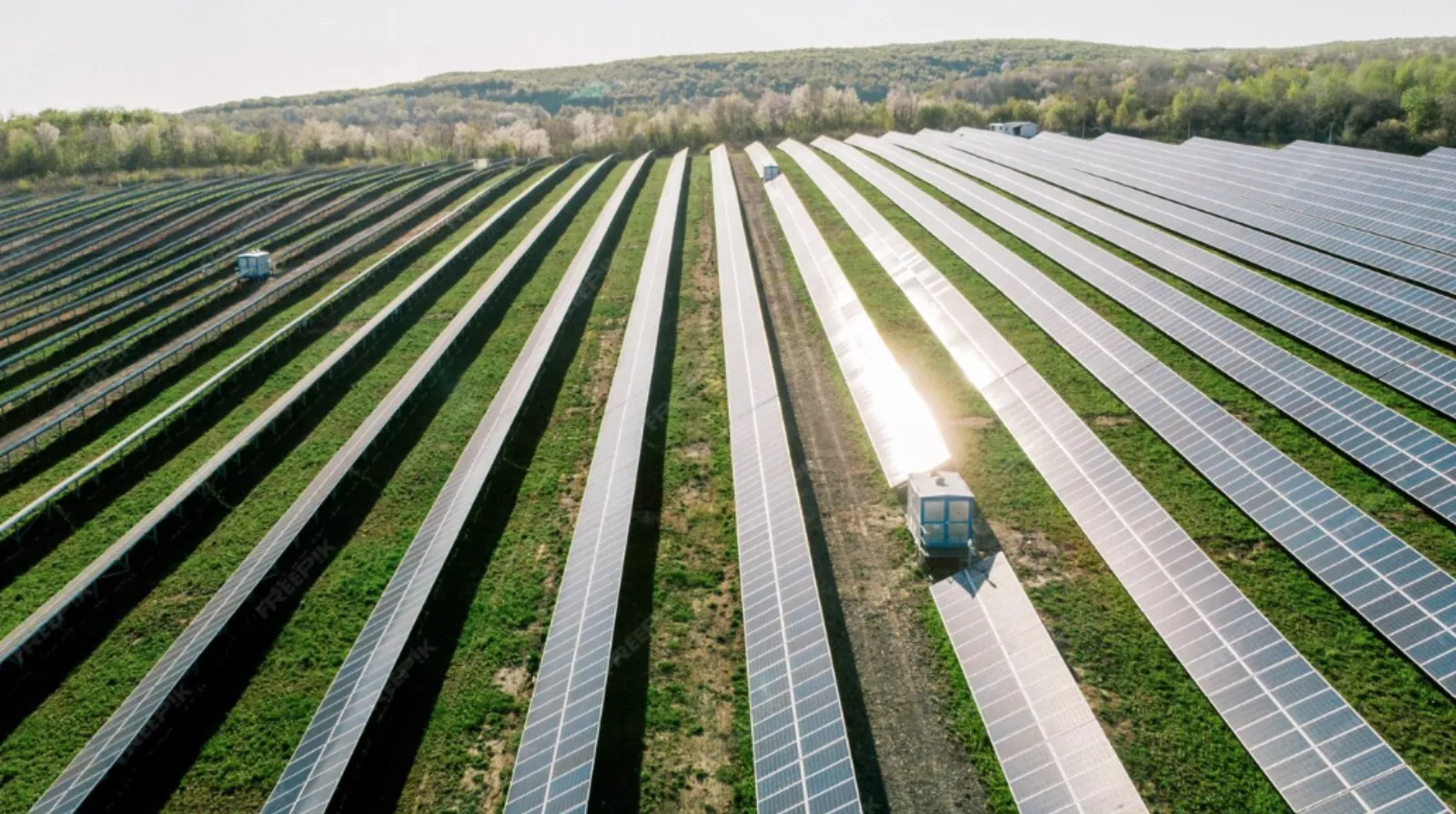
Agriculture is no longer just about food production: more and more farms are becoming genuine renewable energy generators. The concept of agroenergy, and agrivoltaics in particular, proposes a future where solar panels, crops, and livestock coexist on the same surface. This model not only diversifies income but also addresses the dual challenge of ensuring food and clean energy in a context of climate change.
One hectare, two harvests
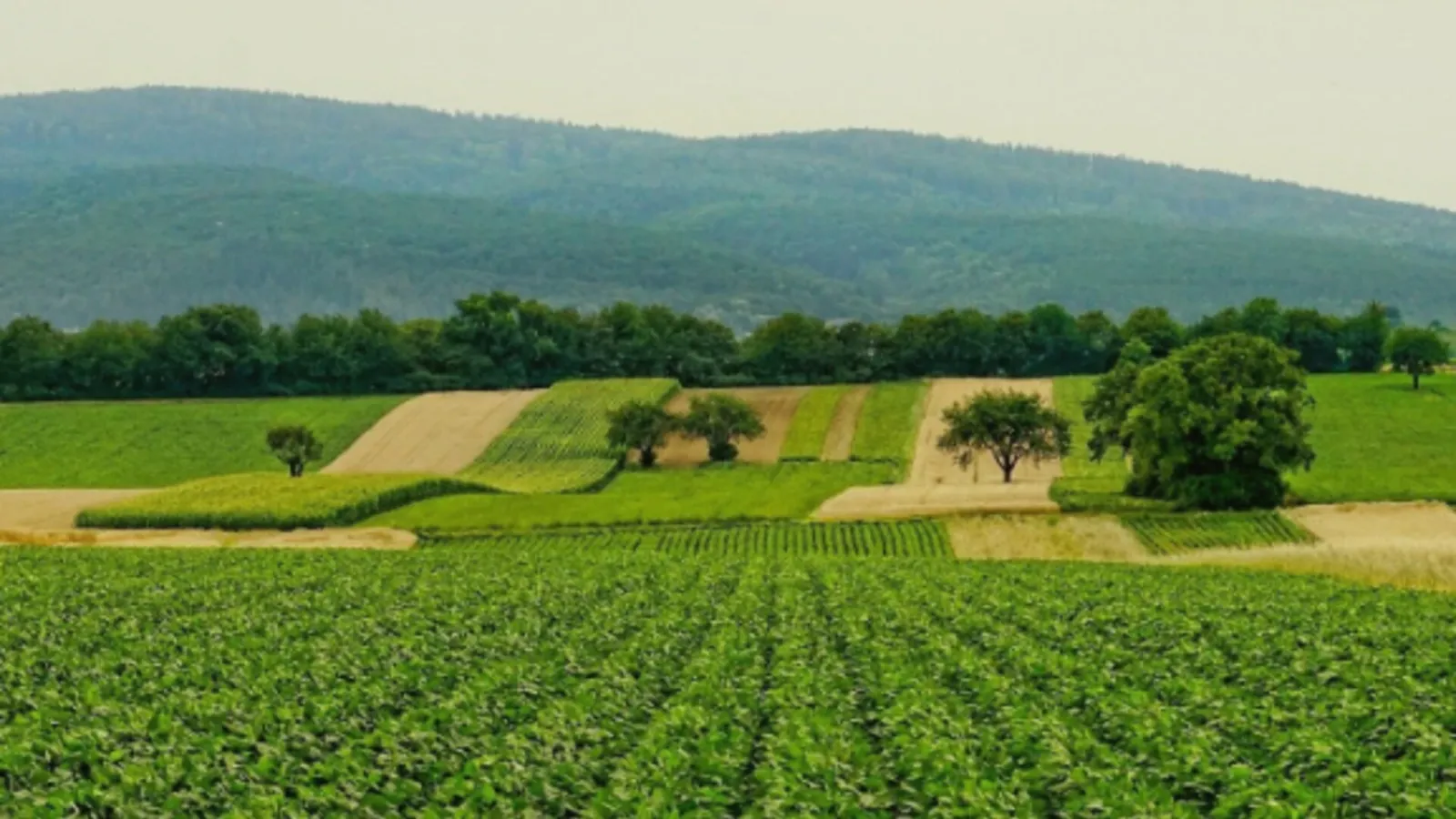
The core idea of agrivoltaics is simple: utilize one agricultural hectare to simultaneously produce biomass and kilowatts. According to the International Renewable Energy Agency (IRENA), installing elevated panels can provide up to 1 MW of power per 1.5 hectares, without excluding agricultural use. In crops such as vineyards, tomatoes, or fodder, the structures allow for a more stable microclimate, reducing water stress by up to 15–20%. In other words, the farmer harvests grain or fruit while simultaneously injecting energy into the grid.
Integration models: from solar greenhouses to photovoltaic pastures
Agroenergy does not have a single recipe. Several implementation models exist:
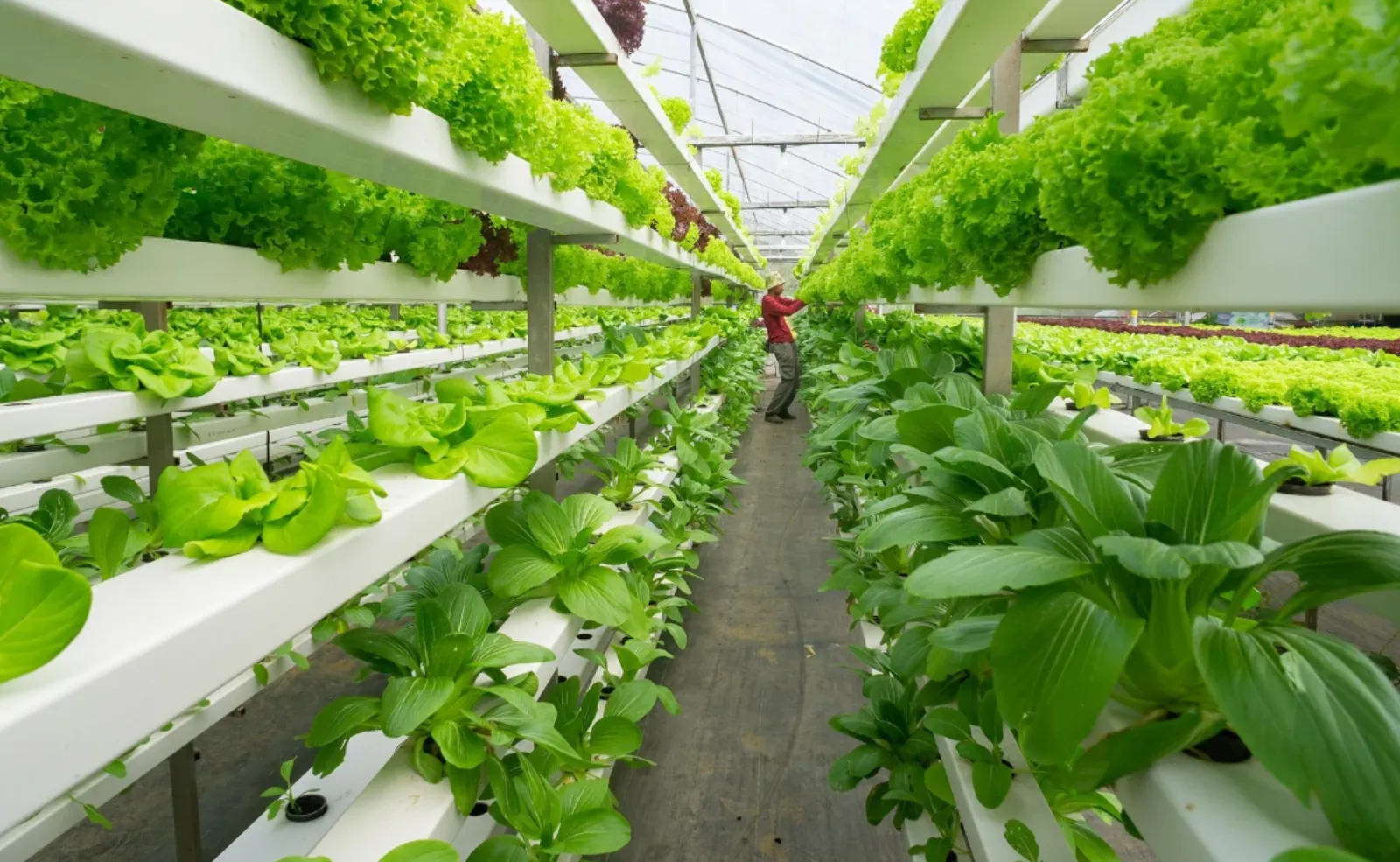
- Solar greenhouses: photovoltaic roofs that generate electricity for irrigation or climate control, with surpluses sold to the grid.
- Elevated panels over crops: allowing agricultural machinery to operate underneath.
- Pastures with photovoltaics: in extensive livestock farming, sheep or goats graze between the panels, reducing maintenance costs while generating energy.
- Solar irrigation pumps: smaller, but with a massive impact in irrigated areas with high electricity consumption.
Each system adapts to the production context and regulatory framework, making agroenergy a diverse and still expanding field.
Energy and economic balance
The main attraction is twofold. On one hand, energy independence: a farm with 100 kW of photovoltaics can cover practically its entire annual electricity consumption. On the other hand, additional income: at average market prices, the sale of surpluses can generate between €800 and €1,200/ha per year, depending on solar radiation and tariff schemes.
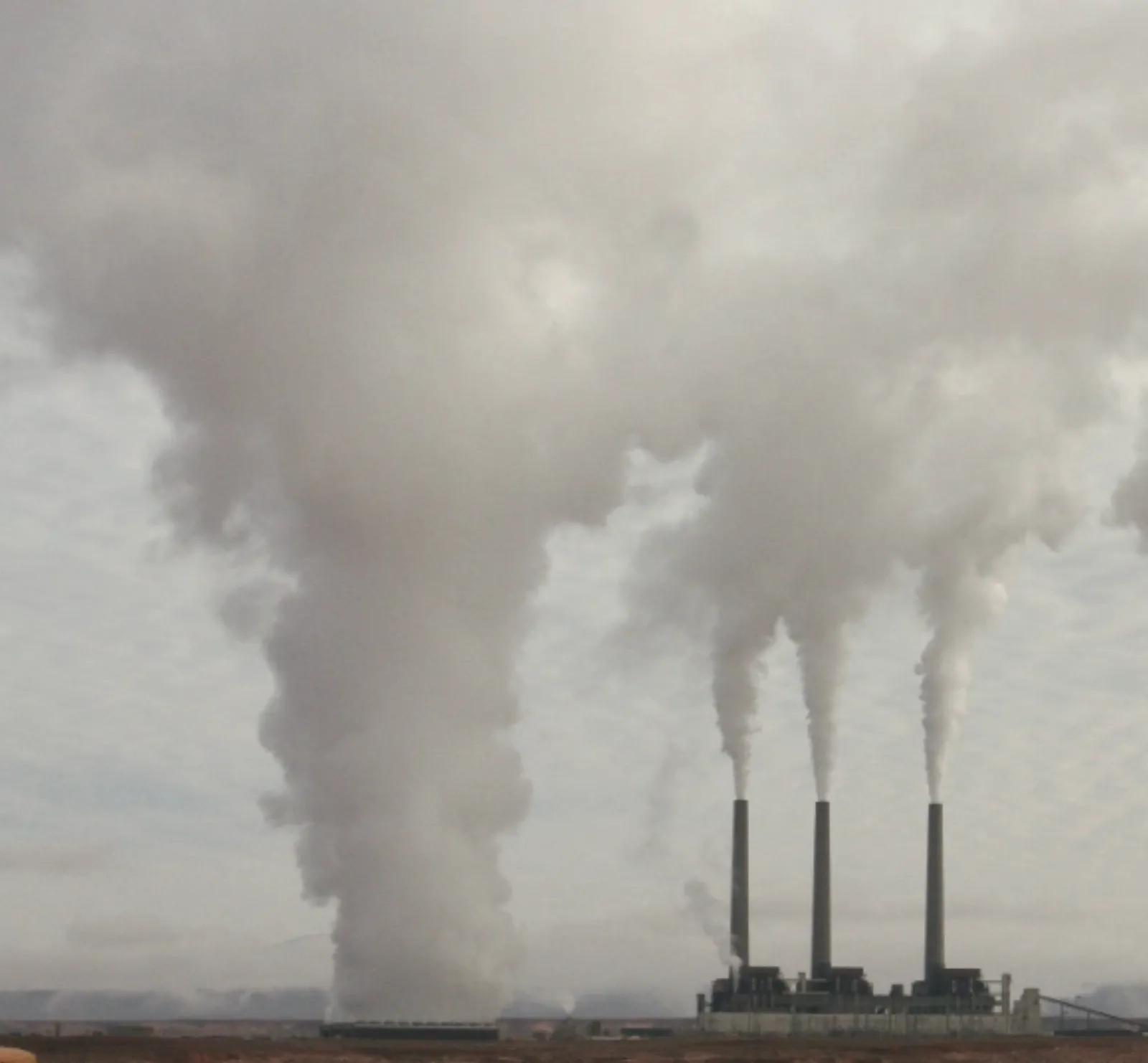
In parallel, farms reduce their carbon footprint: replacing 50,000 fossil kWh with renewables is equivalent to avoiding about 20 tons of CO₂ annually. Agroenergy, therefore, becomes a tangible mitigation strategy.
Challenges: regulations, investment, and social perception
Not everything is simple. Three major barriers exist:
- Regulations: energy and agricultural legislation does not always account for the dual status of a farm as both a food and electricity producer.
- Initial investment: the installation cost remains high, especially for mobile structures or bifacial panels adapted to agriculture.
- Social and landscape perception: integrating large expanses of panels into rural territories requires dialogue with local communities and organizations.
Overcoming these barriers will be key to consolidating agroenergy as a driver of rural development.
Agroenergy symbolizes a paradigm shift: land no longer produces just calories, but also kilowatt-hours. In a scenario of energy transition and recurring droughts, combining crops with renewables offers a way to diversify income, reduce emissions, and create a more resilient countryside.
The challenge lies in having policies and technologies support the farmer in this new hybrid role: producer of food and clean energy.