Hydroponics: The Agriculture of the Future
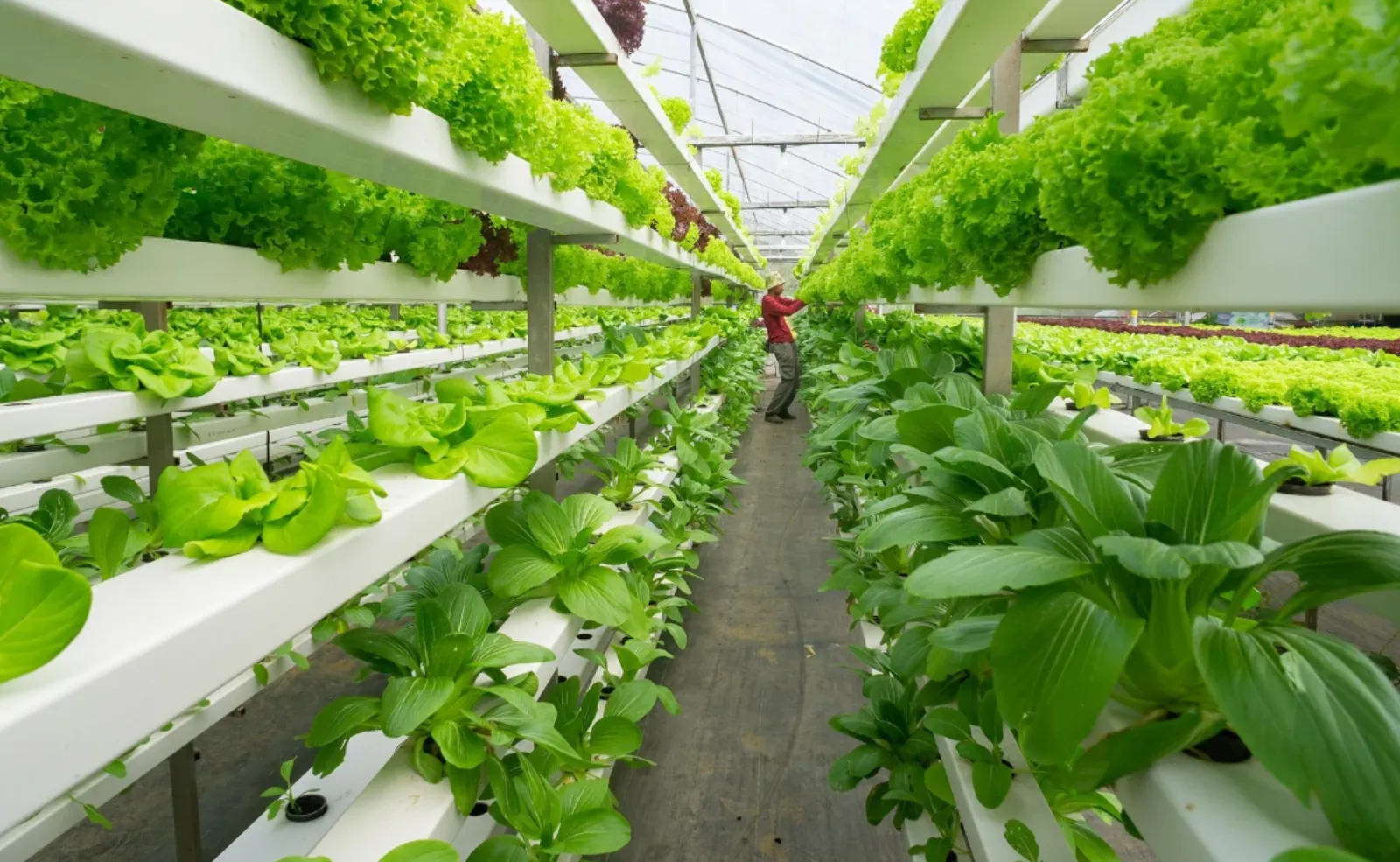
In a world where food demand is constantly growing and natural resources are increasingly limited, hydroponics presents itself as a sustainable and efficient alternative for crop production. This soilless cultivation technique allows for optimizing water use, reducing environmental impact, and improving agricultural production under various conditions.
What is Hydroponics?
Hydroponics is a method of cultivation where plants grow in nutrient solutions instead of soil. In this system, plant roots are immersed in water enriched with essential nutrients that they would normally obtain from the earth. This allows for greater control over plant nutrition and prevents soil-borne pests and diseases.
Benefits of Hydroponics
- Efficient water use: unlike traditional agriculture, where much of the water is lost to evaporation and filtration, hydroponics recycles and reuses water, achieving savings of up to 90%.
- Greater productivity: by providing nutrients directly to the roots, plants grow faster and can produce higher yields in less time.
- Fewer pesticides and herbicides: by eliminating the need for soil, the risks of soil-borne diseases and pests are reduced, thus decreasing the use of chemicals.
- Space optimization: hydroponics allows for cultivation in urban areas, indoors, and in confined spaces, making it ideal for vertical farming and urban gardens.
- Year-round production: through the use of greenhouses and controlled systems, crops can be obtained regardless of the seasons or weather.
Types of Hydroponic Systems
There are several types of hydroponic systems, each with its own characteristics and advantages:
- Floating Root System: plants grow in a nutrient solution with roots suspended in water.
- NFT (Nutrient Film Technique): a constant flow of nutrient-rich water recirculates through channels where the roots grow.
- Aeroponics: roots are suspended in the air and receive a mist of nutrients in spray form.
- Inert Substrate: materials like coconut fiber, rock wool, or perlite are used to support roots while they receive the nutrient solution.
Applications and Future of Hydroponics
Hydroponics has become a key solution for food production in places with poor soil fertility, in water-scarce regions, and in urban environments where space is limited. Furthermore, this technology is fundamental for the development of agriculture in space, with ongoing research to grow food on space stations and future missions to Mars.
In the future, hydroponics is likely to continue evolving with the integration of artificial intelligence, advanced sensors, and automation, allowing for more efficient and sustainable production. Undoubtedly, this technique will play a crucial role in global food security.