The Artificial Intelligence Revolution in Precision Agriculture
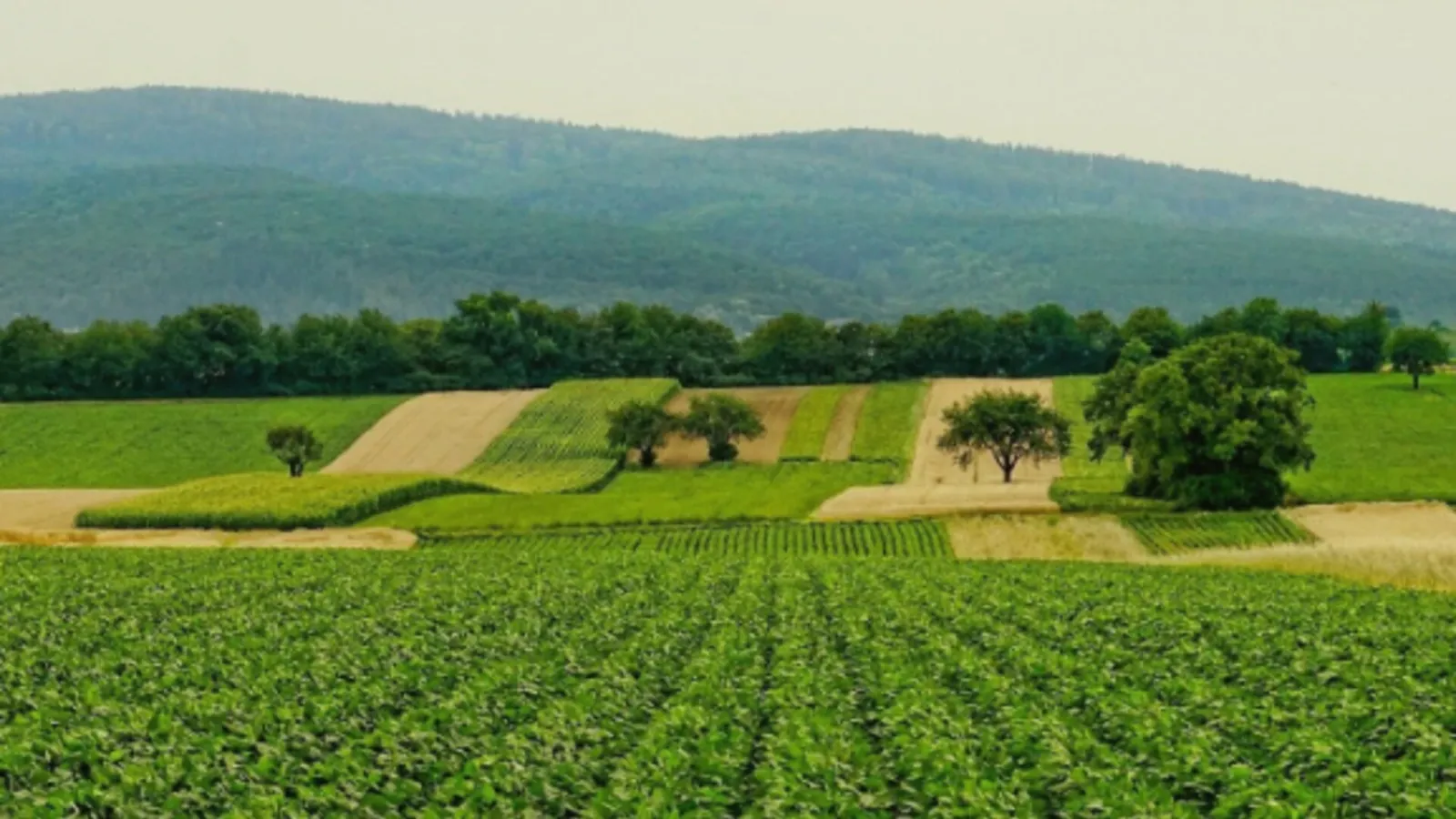
Agriculture is on the threshold of an unprecedented transformation. The combination of artificial intelligence (IA) with precision agriculture techniques is redefining how we cultivate, manage resources, and face the climatic and food challenges of the 21st century. This article analyzes in depth how AI is shaping the future of the agricultural sector, the most promising technologies, the tangible benefits it generates, and the challenges we still must overcome for its global implementation.
Innovations, applications, and challenges for 2025
Current Landscape of AI in Precision Agriculture
AI is no longer a tool exclusive to large tech corporations; its application in agriculture is democratizing access to intelligent solutions. Below, we explore the main areas where AI is transforming the sector:
Satellite and Drone Image Analysis
Technologies like Nimbus, combined with machine learning algorithms, allow for the analysis of large areas of land to identify zones with water stress, diseases, or nutritional deficiencies. These processed images offer detailed maps that farmers can use to make immediate decisions.
Real-time Crop Monitoring
Soil sensors and IoT devices collect data such as moisture levels, temperature, and soil pH, while AI systems interpret them to recommend concrete actions, such as irrigation or fertilization.
Personalized Weather Prediction
Advanced AI-based tools allow for the prediction of weather events at a microclimatic level, helping to better plan planting, irrigation, and harvesting.
Key Technological Innovations
The convergence of AI with other emerging technologies is accelerating the pace of change in agriculture:
Intelligent Agricultural Robots
Equipped with cameras and AI, these robots can perform tasks such as weeding, planting, and harvesting autonomously, reducing labor costs and increasing efficiency.
Predictive Management Systems
Platforms that integrate historical data with predictive models to estimate yield, identify risks, and optimize the use of resources like fertilizers and pesticides.
Generative AI Models
These tools generate agricultural strategies adapted to the specific needs of each farm, taking into account variables such as crop type, region, and climatic conditions.
Economic and Environmental Benefits
The impact of AI in agriculture is measured not only in terms of productivity but also in the sustainability of agricultural practices:
- Input optimization: by applying only the necessary amount of fertilizer, pesticides, or water, farmers reduce expenses and minimize environmental impact.
- Waste reduction: thanks to the ability to predict yields, producers can adjust their supply chain and avoid overproduction or loss of perishable products.
- Climate change mitigation: more efficient agricultural practices reduce greenhouse gas emissions associated with agricultural production.
Success Stories in AI Integration in Agriculture
Optimization in Corn Fields in Spain
Local companies have implemented real-time monitoring systems that automatically adjust irrigation according to the specific needs of each plot. This technology has increased yields by 20% while reducing water consumption by 15%.
Smart Agroclimatic Zones in Latin America
Agroclimatic zoning tools have helped small farmers select the most suitable crops for their regions, increasing resilience against droughts.
Challenges in the Adoption of AI in Agriculture
Although the benefits are undeniable, the adoption of these technologies faces several challenges:
- Access and initial costs: for many small and medium-sized farmers, the cost of acquiring technology remains a significant obstacle.
- Training gap: the effective use of AI-based tools requires technical knowledge that is not always available in rural areas.
- Connectivity in rural regions: the lack of high-speed internet access limits the use of real-time connected systems.
The Future of Smart Agriculture
Looking toward 2025, a significant expansion of these technologies is expected, driven by:
- Public-private collaboration: government initiatives that subsidize advanced technologies, combined with private sector investment.
- Greater platform interoperability: the integration of different systems and technologies will allow AI-based solutions to be more accessible and easier to implement.
- Sustainability innovations: technologies that promote a circular economy in agriculture, such as using AI to recycle soil nutrients efficiently.
The artificial intelligence revolution in agriculture is not a distant future; it is a reality already transforming the sector. Adopting these tools not only guarantees higher yields and efficiency but also brings us closer to a more sustainable and resilient agricultural model in the face of global challenges. In 2025, smart agriculture will be synonymous with sustainability, technology, and precision.