Soil Analysis vs. Foliar Analysis
For optimal agricultural production, it is vital to understand the health of our crops. This is where soil analysis and foliar analysis come in. We will explore what they are, when to use them, their relevance to Daila, and for which crops they are most appropriate.
What is soil analysis?
Soil analysis gives a detailed picture of the earth's composition, evaluating chemical, physical, and biological factors. It is essential for identifying deficiencies or excesses that may affect plant growth.
What is foliar analysis?
Foliar analysis, on the other hand, focuses on plant leaves. It reveals the concentration of essential nutrients and betrays deficiencies or toxicities that the crop is experiencing at that moment.
How are these analyses performed?
Sampling by the farmer
- Soil analysis: dig to the appropriate depth (15–25 cm) with a shovel or sampler and take several sub-samples from different points in the field to obtain a representative composite sample.
- Foliar analysis: collect leaves from different plants, preferably in the active growth stage. The leaves must be clean and undamaged.
In the laboratory
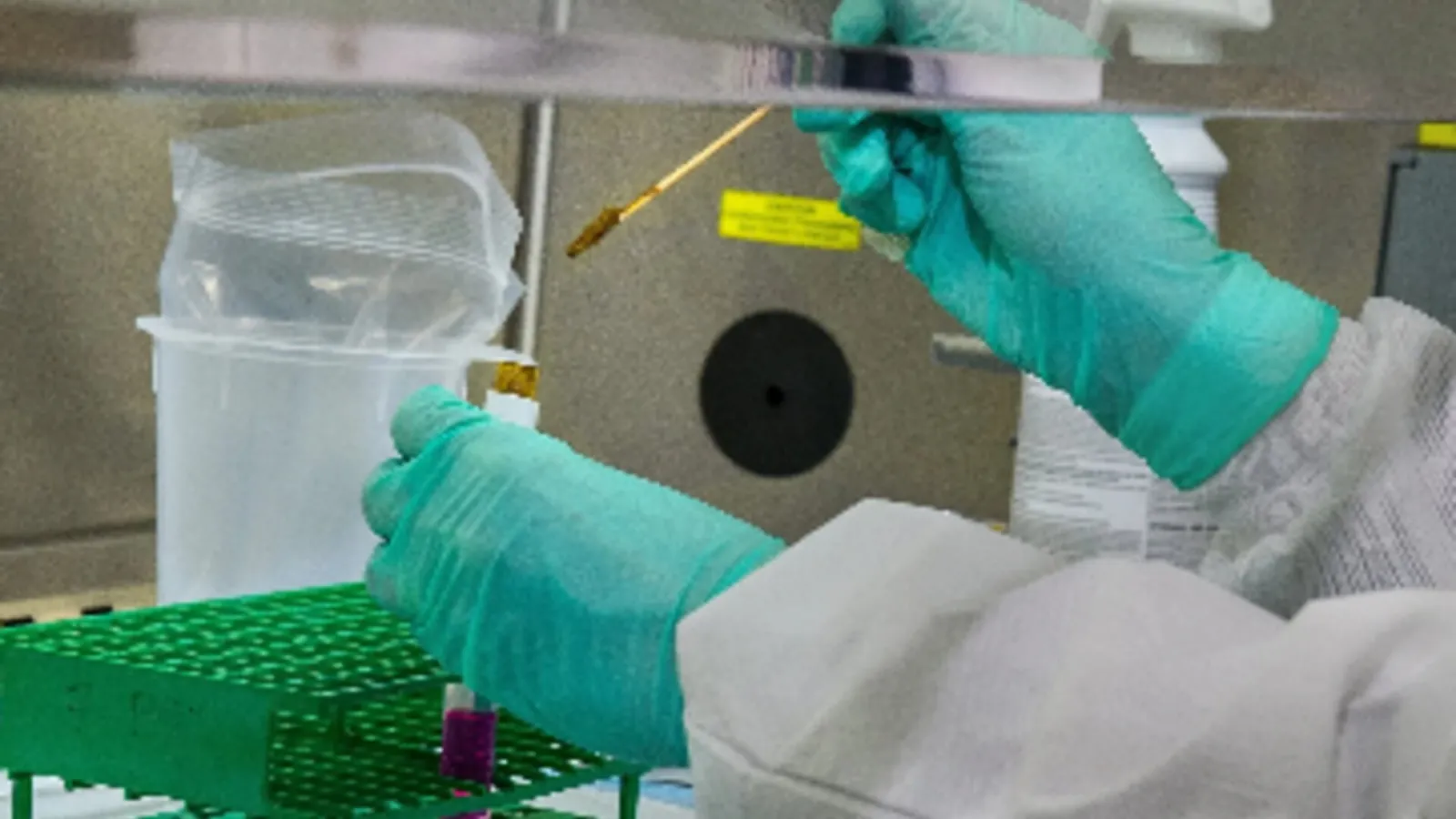
- Soil analysis: the soil is dried, sieved, and prepared for different tests that will measure pH, nutrient content, organic matter, and texture.
- Foliar analysis: the leaves are washed, dried, and crushed to obtain a homogeneous sample. They are analyzed to determine nutrient concentrations and detect possible deficiencies.
The laboratory finally provides a detailed report with the results, which the farmer can interpret directly or with the help of experts and tools like Daila.
Which crops benefit most from each analysis?
Soil analysis
It is especially useful for crops with long growth periods, such as fruit trees, as it allows for early land preparation. It is also ideal for crops like corn and wheat, where soil preparation is vital for obtaining good yields.
Foliar analysis
It is very beneficial for short-cycle crops such as vegetables and some legumes, as it allows for quick interventions if deficiencies are detected. It is also essential for high-value crops such as vineyards, where fruit quality is paramount.
Importance for Daila
- Precise information: uses the data to offer recommendations tailored to each crop.
- Data-driven decisions: facilitates backed decisions, optimizing crop health and productivity.
- Continuous monitoring: integrates results from both analyses, keeping farmers informed about crop health in real-time.
For any farmer, understanding when and why to perform a soil or foliar analysis is fundamental. With Daila, this information becomes a clear guide to maximizing the yield and health of different crops. Science and technology together can redefine modern agriculture.