Nutrient Balance
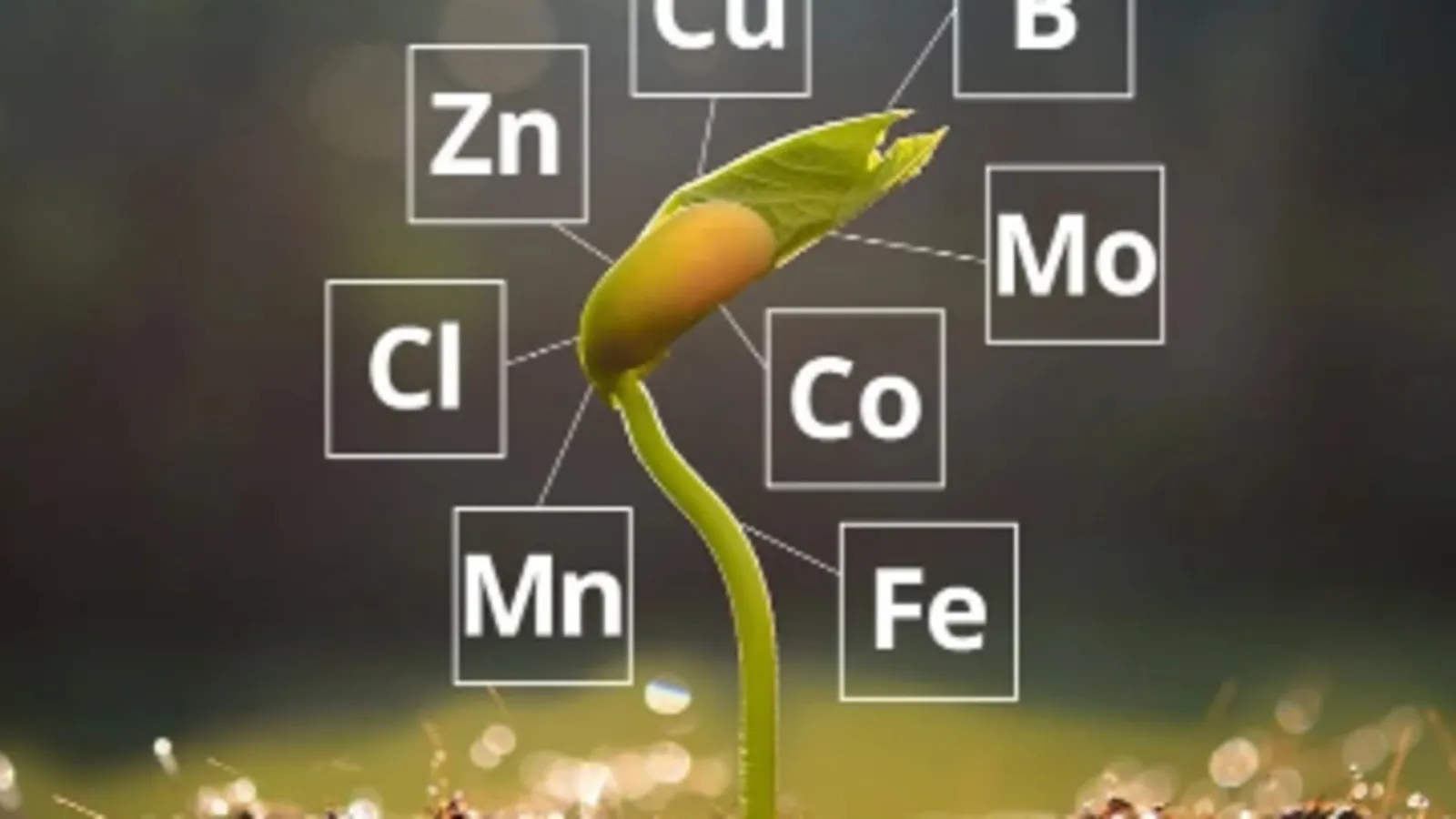
A fundamental pillar in precision agriculture: in this article we delve into nutrient balance and explain why it is so crucial for successful and sustainable agricultural production.
What is nutrient balance?
Nutrient balance refers to the equilibrium between nutrients added to the soil (through fertilizers, compost, and other supplements) and nutrients that plants extract from the soil. This balance is essential for soil health and crop productivity, and it is an integral component of precision agriculture.
Precision agriculture aims to maximize agricultural resource efficiency while reducing environmental impacts. To achieve this goal, it is fundamental to understand and properly manage nutrient balance.
The challenge of nutrient balance
Each type of plant requires different amounts and types of nutrients to grow and thrive. If a particular nutrient is present in excessive or insufficient amounts, it can have a significant impact on crop health and productivity.
Furthermore, each soil has its own "personality" in terms of nutrient holding capacity, organic matter content, and other factors. Farmers must take all these factors into account to ensure an adequate nutrient balance.
The precision agriculture solution
Precision agriculture technology allows farmers to monitor and adjust their soil's nutrient balance with unprecedented precision. This is achieved through the use of soil sensors, data analysis, and variable rate machinery.
For example, soil sensors can accurately measure the amount of nutrients present in different parts of a field. This data can then be analyzed to determine where nutrient supplements are needed and in what quantities.
Using variable rate machinery, farmers can apply the exact amount of fertilizer needed in each part of their field. This not only optimizes crop health and productivity but also reduces fertilizer waste and minimizes environmental impacts.
In conclusion, nutrient balance is a critical component of precision agriculture. By understanding and properly managing this balance, farmers can increase their operational efficiency, improve their crop health, and protect the environment.