Variable Rate Application (VRA)
Variable Rate Application (VRA) is one of the most revolutionary techniques of recent years: it allows for applying the exact amount of fertilizer or plant protection product that each zone of the plot needs, instead of treating the entire field equally.
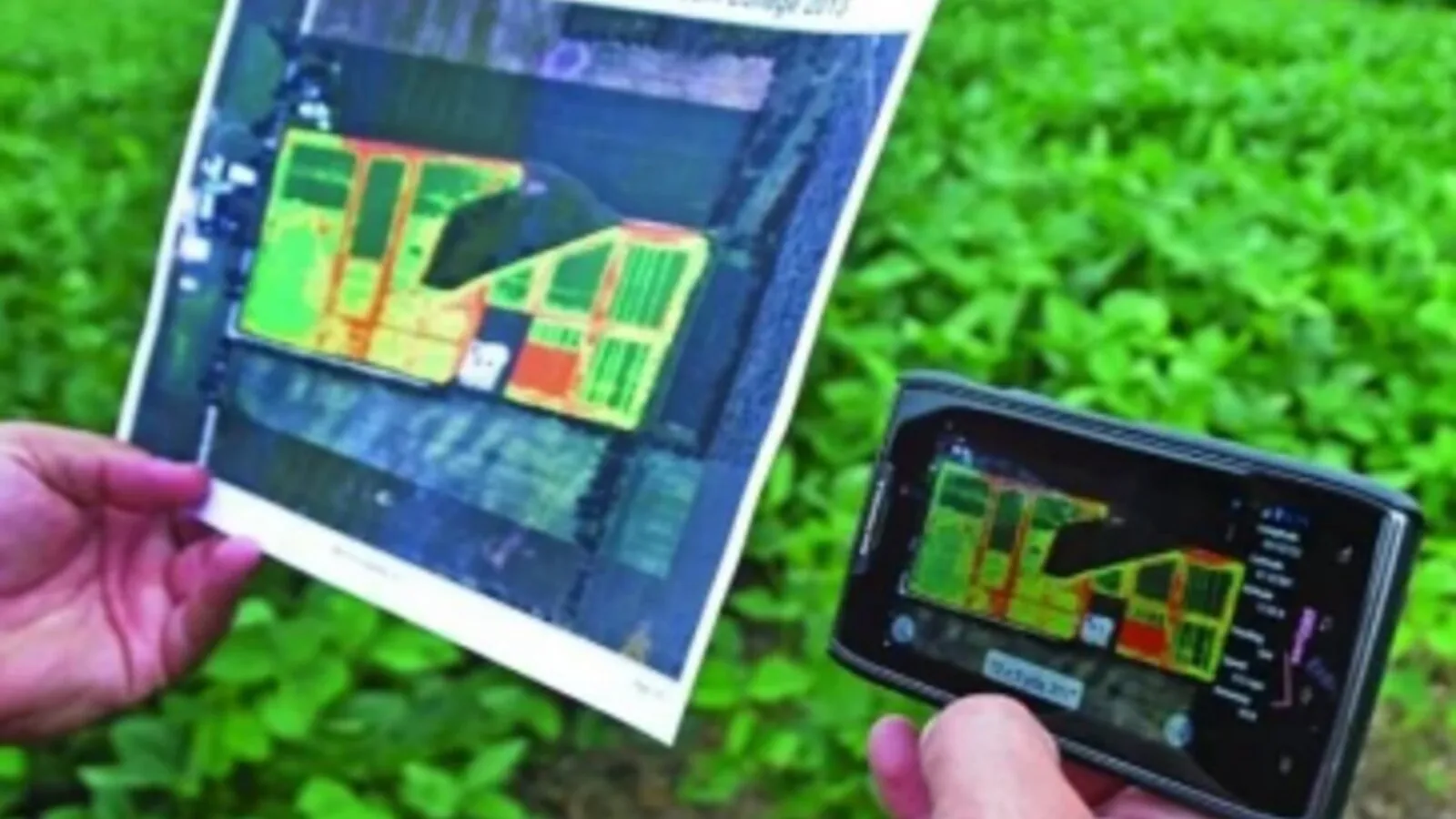
It is increasingly common to see a farmer standing next to their tractor looking at their phone. One might think they are checking WhatsApp when they are actually planning the next fertilization application from their phone. Technology gives us the opportunity to see how crops evolve from the palm of our hand, and clearly different behaviors are appreciated in each plot.
Variable Rate Application is based on the idea that each zone of the plot deserves personalized treatment, applying the exact amount of nutrients needed for optimal development.
From uniform management to zone-based management
Before VRA technologies arrived, the application of fertilizers and plant protection products was done uniformly throughout the field, according to the average yield of the plot and without taking into account the variations in productivity across the land. This resulted in high raw material expenditure and, at times, a negative impact on the environment.
Thanks to technological advances, we can now take a step beyond traditional methods and embrace new tools that adjust each application to the agronomic reality of every square meter.
The technology behind VRA
Variable Rate Application relies on cutting-edge technology: geographic information systems (GIS), GPS positioning, and remote sensors that collect precise data on crops and soil. With this data, prescription maps are created, a kind of recipe that indicates the exact amount of fertilizer or plant protection product to be applied in each zone of the plot.
To put it simply: it's like a blood test, where each plot must reach appropriate nutrient levels to function well.
How is it put into practice?
This is where the magic of VRA comes into play. Once the prescription map is loaded into the tractor, the rate controller prepares to adjust the application rates automatically. As it reads the map, it adjusts in real-time the amount of fertilizer or plant protection product being applied.
As the tractor moves through the field, the controller adapts the dose according to the specific needs of each zone, without the farmer having to intervene manually.
Benefits beyond precision
The benefits of variable rate application are not limited to precision in input application. On one hand, it reduces spending on fertilizers and plant protection products, as only what is necessary is applied, which translates into significant economic savings. On the other hand, by applying inputs more accurately, the environmental impact is minimized, and soil and water resource contamination is reduced.
Variable Rate Application is a perfect example of how technology can improve and optimize traditional agricultural practices. By combining geographic information, sensors, and smart controllers, farmers can carry out more efficient and sustainable fertilization and input application.
In summary, VRA is an advanced technique that is transforming the way agricultural inputs are applied. With its personalized approach and its positive impact on both the economy and the environment, it is emerging as a key tool in the agriculture of the future.