Manure in Precision Agriculture
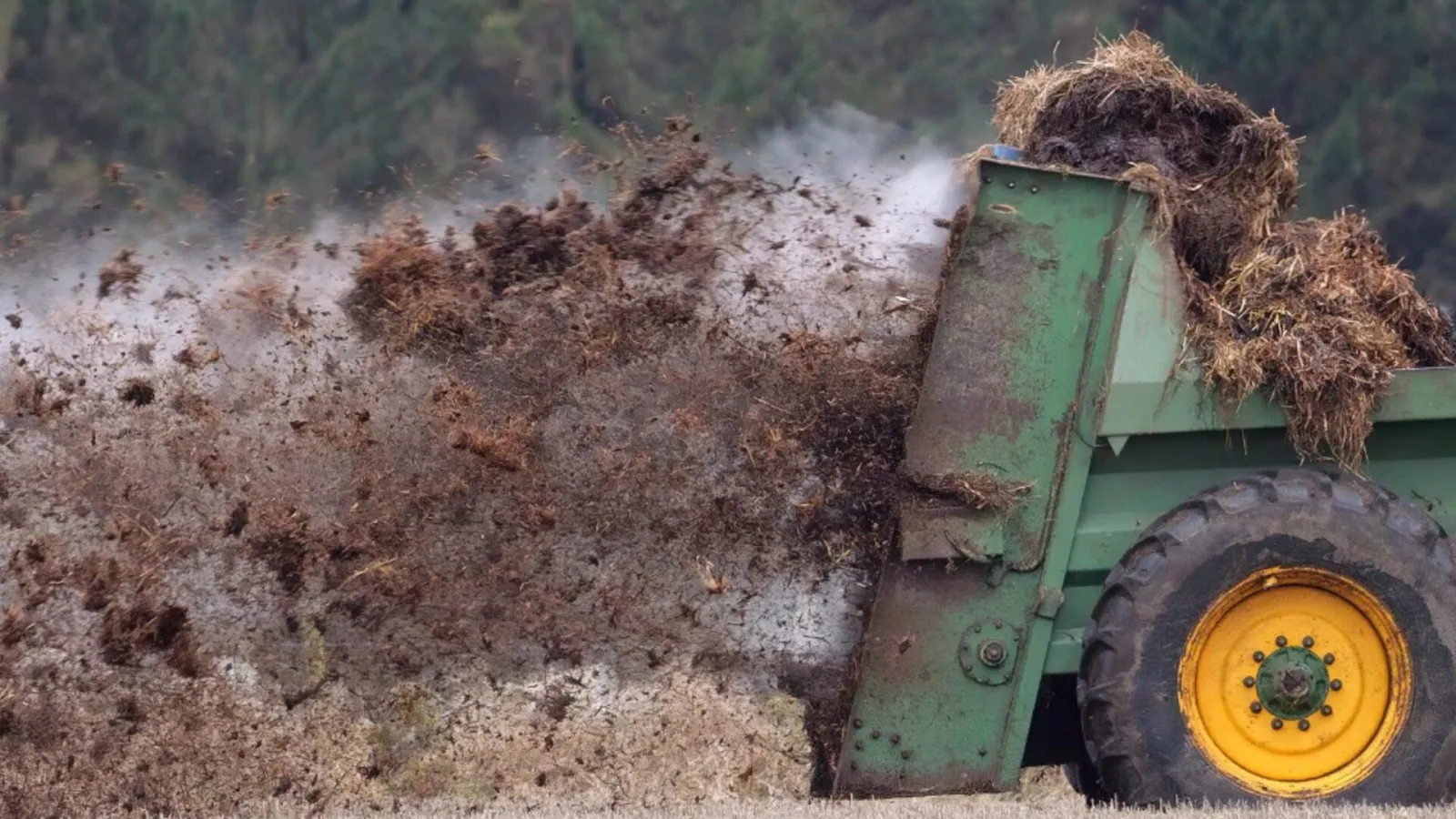
Fertilization is a fundamental pillar in agriculture, crucial for the healthy and productive development of crops. Among fertilization options, manure has been used for centuries for its nutrient richness. However, technological innovation in precision agriculture is revolutionizing its application, making it more effective, sustainable, and aligned with soil conservation practices.
Types of manure and their composition
Manure, composed of animal waste and plant matter, is an organic fertilizer rich in nutrients such as nitrogen, phosphorus, and potassium. There are several types, each with a specific composition that benefits the soil and crops differently:
- Cow manure: rich in nutrients and excellent for improving soil structure.
- Horse manure: hotter than cow manure, it decomposes quickly and provides nutrients more rapidly.
- Sheep and goat manure: with high nitrogen content, especially good for crops that require soils rich in this element.
- Chicken manure: extremely rich in nitrogen; must be used with caution to avoid burning plants.
Proper timing for application
The optimal time to apply manure depends on the type of crop and the growth cycle, but it is generally performed:
- Before planting: prepares the soil, enriching it with essential nutrients for the plants' initial development.
- During the crop cycle: in long-cycle crops, an application during growth can provide an additional nutritional boost.
- At the end of the season: after harvest, it helps replenish the nutrients that crops have extracted from the soil, preparing it for the next season.
Why is manure used?
Manure remains a popular choice due to its double function as a soil amendment and nutrient source. Furthermore, its use promotes sustainable agriculture by recycling waste that might otherwise contribute to environmental problems. By improving soil health, it supports underground biodiversity and plant resistance, resulting in healthier and more productive crops.
The application of manure in agriculture is a millennia-old practice that remains relevant in the modern era. Its ability to improve soil health and promote a sustainable nutrient cycle makes it an essential component of any agricultural strategy oriented toward sustainability and efficiency. Adopting this practice not only benefits crops but also supports ecosystem balance, closing the nutrient cycle in a way that favors both the land and those who depend on it.