The Evolution of Agriculture
From traditional sowing to precision agriculture: agriculture has been a fundamental pillar in the development of humanity. Over the centuries, it has undergone significant changes. In this journey, we will see how traditional agriculture has evolved to become the innovative practice of precision agriculture.
The road traveled: traditional agriculture
10,000 years ago, traditional agriculture marked the beginning of the Agricultural Revolution, with the first farmers cultivating wheat and rice, and domesticating animals like goats and sheep. Although they used rudimentary techniques, this change meant the transition from nomadic hunter-gatherers to sedentary agricultural communities. Traditional agriculture implied deep knowledge of the environment and seasonal cycles, establishing the foundations for the development of human civilization.
Modern agriculture: the technological transition
The Green Revolution was a period of agricultural transformation that took place in the mid-20th century. Driven by technological advances, it focused on increasing agricultural productivity through improved crop varieties, intensive use of fertilizers and pesticides, and the use of tractors, which replaced draft animals and manual tools. This innovation allowed for a notable increase in food production, but also generated environmental and social concerns, such as the loss of biodiversity and increased dependence on chemical inputs.
Precision agriculture: a step forward
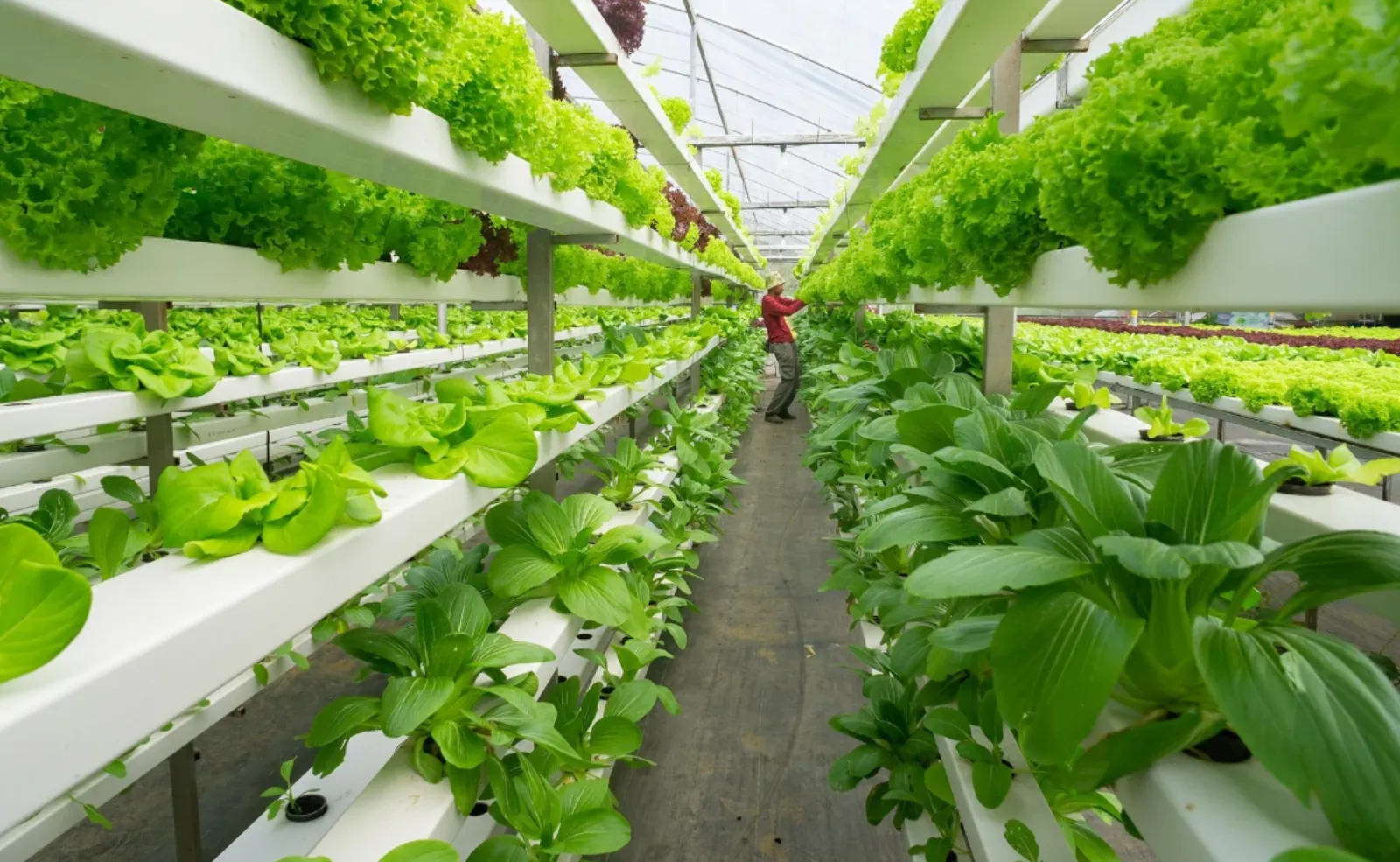
Precision agriculture, born in recent decades, has revolutionized the field. Using technologies like GPS, sensors, drones, and specialized software like Daila, farmers can monitor and adjust their practices in real-time. This allows for an optimization in the use of resources such as water and fertilizers and improves the management of diseases and pests.
Steps to start in precision agriculture
- Land and crop evaluation: know the characteristics of your soil, climate, and the crops you have. This will help you choose between one technology or another.
- Equipment acquisition: research and select appropriate tools for your needs, such as sensors, drones, GPS, ISOBUS machinery, and software that allows for input management, such as Daila.
- Gradual implementation: start in a small area of your field and expand its use as you become familiar with the technologies.
- Data management and specialized software: correct data collection and analysis is crucial. Software like Daila can be a great help in this process.
- Specialized advice: consulting with experts in precision agriculture can be invaluable for interpreting the data and making well-founded decisions.
Agriculture has evolved from manual sowing and dependence on intuition to an era where technology and science come together for more efficient and sustainable production. Precision agriculture is an exciting field of growth and opportunity. If you want to know more about how to be part of this revolution, visit Daila.app: we are here to help you in every step towards a smarter and more sustainable agriculture.