Efficient Water Management
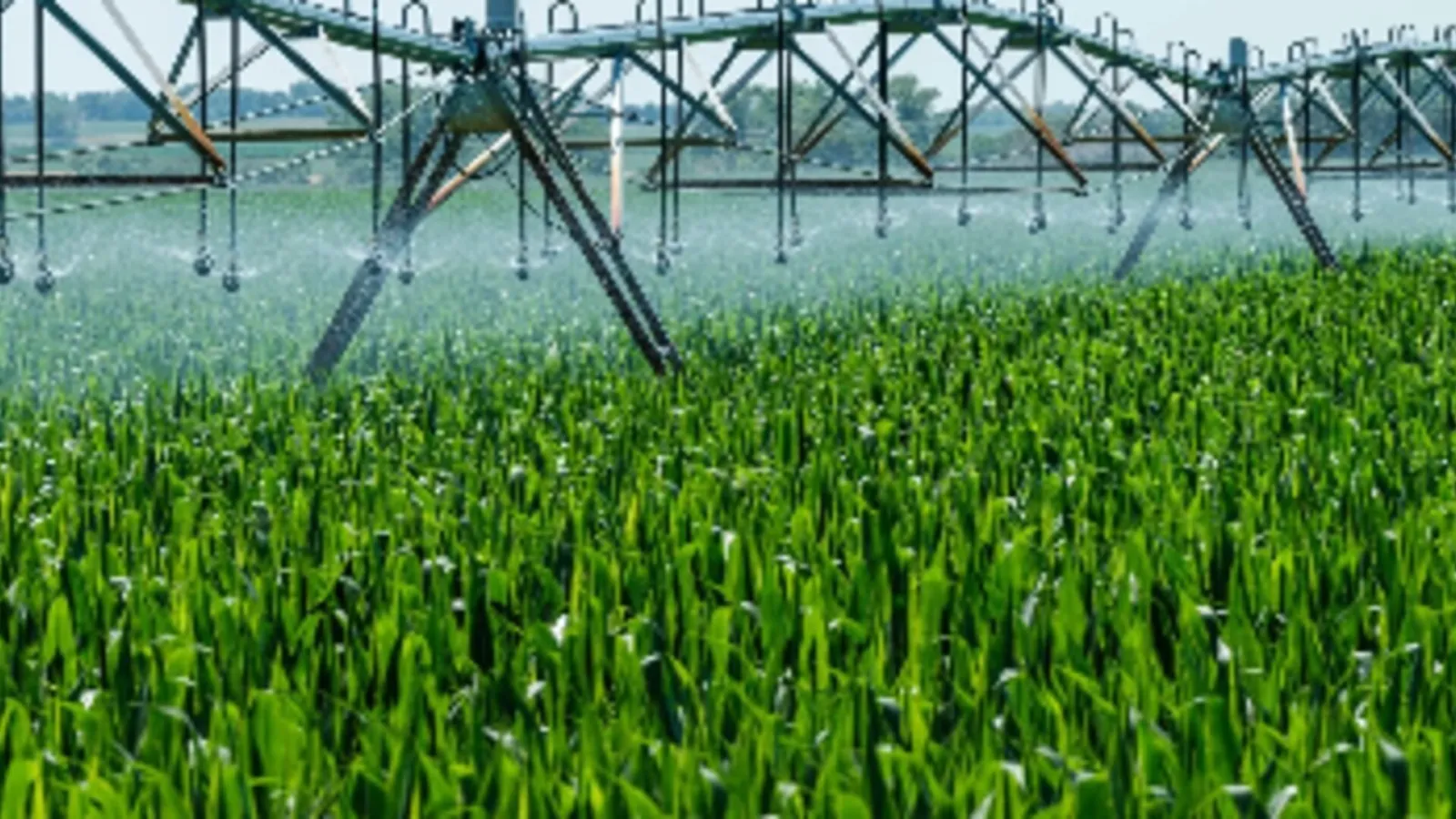
Water is a scarce and precious resource, especially in agriculture, where its efficient management is vital to ensure sustainable food production. In this blog, we will explore key strategies and technologies for efficient water management in agriculture and how these practices can contribute to sustainability and food security.
Challenges of water management in agriculture
- Water scarcity: limited water resources and competition for water pose significant challenges for farmers.
- Irrigation inefficiencies: inefficient irrigation methods can result in water waste and loss of resources.
Strategies for efficient water management
Drip irrigation and micro-sprinkling
These irrigation methods deliver water directly to the plant roots, reducing evaporation and waste.
Soil moisture sensors
Sensor technology allows monitoring soil moisture content, enabling precise and data-driven irrigation.
Water recycling and reuse
Capturing and treating wastewater for reuse in agriculture can reduce dependence on external sources and minimize waste.
Covers and mulching
Plant covers and mulching help conserve soil moisture, reducing the need for irrigation and water evaporation.
Watershed management
Watershed-level strategies, such as soil conservation and reforestation, can improve water quality and availability for agriculture and other uses.
Benefits of efficient water management
- Promotion of drought resilience: helps farmers better face drought periods by maximizing the use of every available drop.
- Reduction of operating costs: by reducing the amount of water used and minimizing waste, costs associated with irrigation are significantly reduced.
- Improvement of soil quality: precise irrigation and water conservation maintain a healthy soil structure, promoting microbial biodiversity and nutrient availability.
Efficient water management in agriculture is fundamental for long-term sustainability. By implementing strategies and technologies that maximize water use, farmers can improve productivity, reduce costs, and protect natural resources. In a world where water is an increasingly scarce resource, intelligent water management in agriculture is more important than ever.