Tillage vs. No-Till Farming
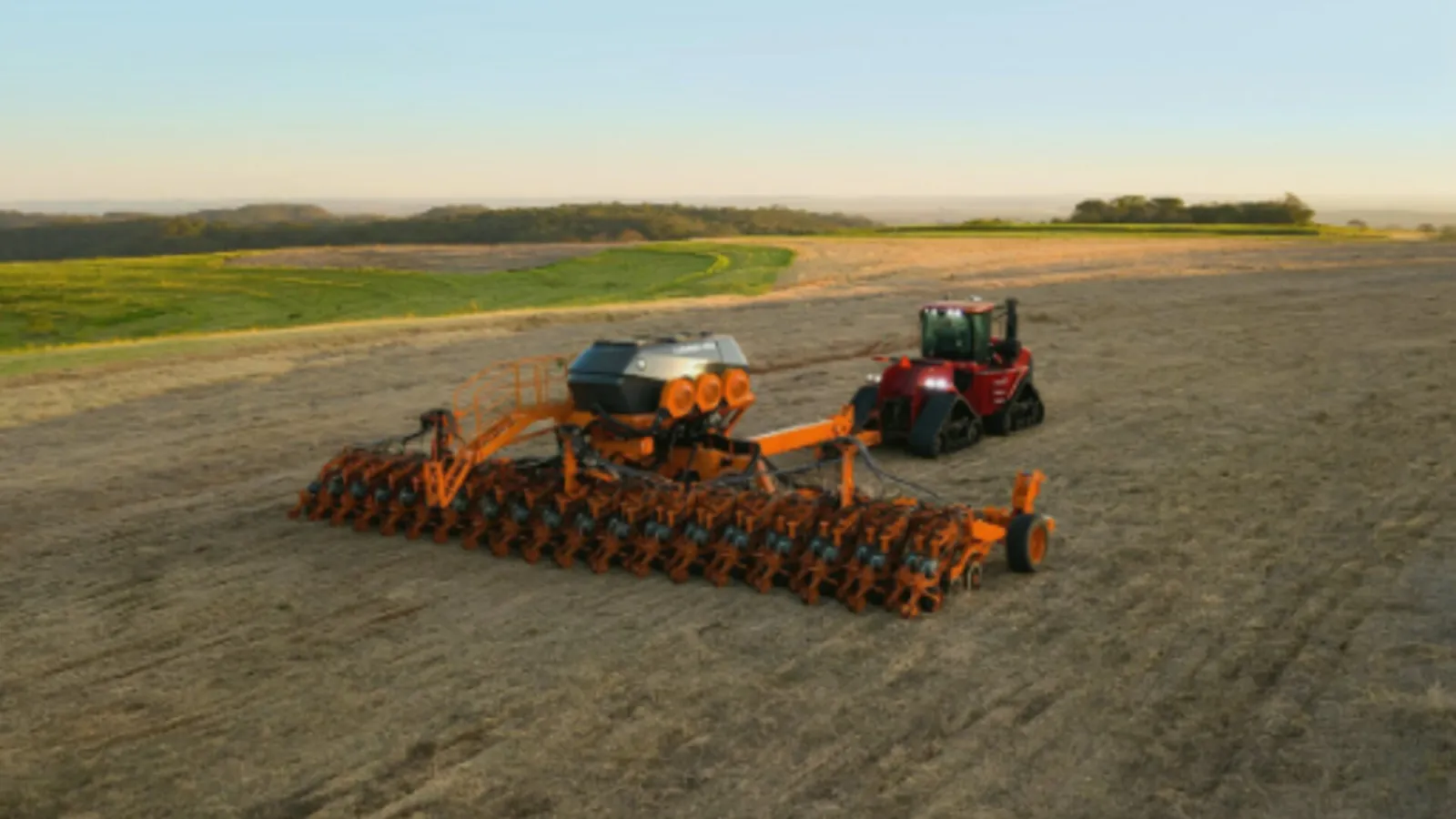
Tillage and no-till farming are two methods of soil preparation with different approaches and results in agriculture. While traditional tillage involves moving and turning the soil, no-till farming consists of planting seeds without disturbing the top layer. In this blog, we will explore the benefits and challenges of each approach and why no-till farming is gaining popularity among farmers.
Tillage: what is it and what are its benefits?
Tillage is an agricultural practice that involves plowing and preparing the soil by moving and turning the top layer. Some benefits of traditional tillage include:
- Weed control: tillage can help control weeds by burying seeds in the soil and breaking their life cycle.
- Improved soil structure: it breaks up clods and facilitates the absorption of water and nutrients by plants.
- Improved soil aeration: by breaking up the soil, it improves aeration and reduces compaction, favoring root growth.
No-till farming: what is it and what are its benefits?
No-till farming (or direct seeding) is a conservationist agricultural approach that involves planting seeds without disturbing the top layer of the soil. Some of its benefits are:
- Soil conservation: it reduces erosion by keeping plant cover and soil structure intact, conserving nutrients and organic matter.
- Reduced fuel consumption: by eliminating the need for tillage, it reduces tractor fuel consumption, greenhouse gas emissions, and production costs.
- Improved soil health: it promotes biological activity by keeping the microbiota intact and preserving its structure, improving long-term fertility.
Why is no-till farming being chosen now?
In recent years, no-till farming has gained popularity among farmers due to its environmental, economic, and agronomic benefits. By reducing soil erosion, conserving moisture, and promoting soil health, it offers a sustainable and efficient alternative to traditional tillage. Furthermore, it helps farmers adapt to climate change by improving the resilience of their agricultural systems against extreme weather conditions and unpredictable events.
Both tillage and no-till farming are important strategies in modern agriculture, each with its own benefits and challenges. While traditional tillage has long been the dominant practice in soil preparation, no-till farming is gaining ground as a more sustainable and efficient alternative in agricultural soil management. By promoting soil conservation, reducing greenhouse gas emissions, and improving soil health, no-till farming offers a viable solution to boost sustainability and productivity in agriculture.