The Role of Phosphorus in Agriculture
An essential element for healthy growth: phosphorus is a critical macronutrient for plants, with a vital role in DNA formation, energy transfer, and photosynthesis. It is indispensable for root development and flowering, as well as being crucial for seed and fruit formation. An adequate supply of phosphorus is fundamental to ensuring high productivity and quality in crops.
Why is phosphorus important in crops?
Phosphorus participates in photosynthesis, energy transfer through ATP, and DNA formation. Without an adequate supply, roots do not develop, flowering is delayed, and grain filling is compromised.
Proper phosphorus application
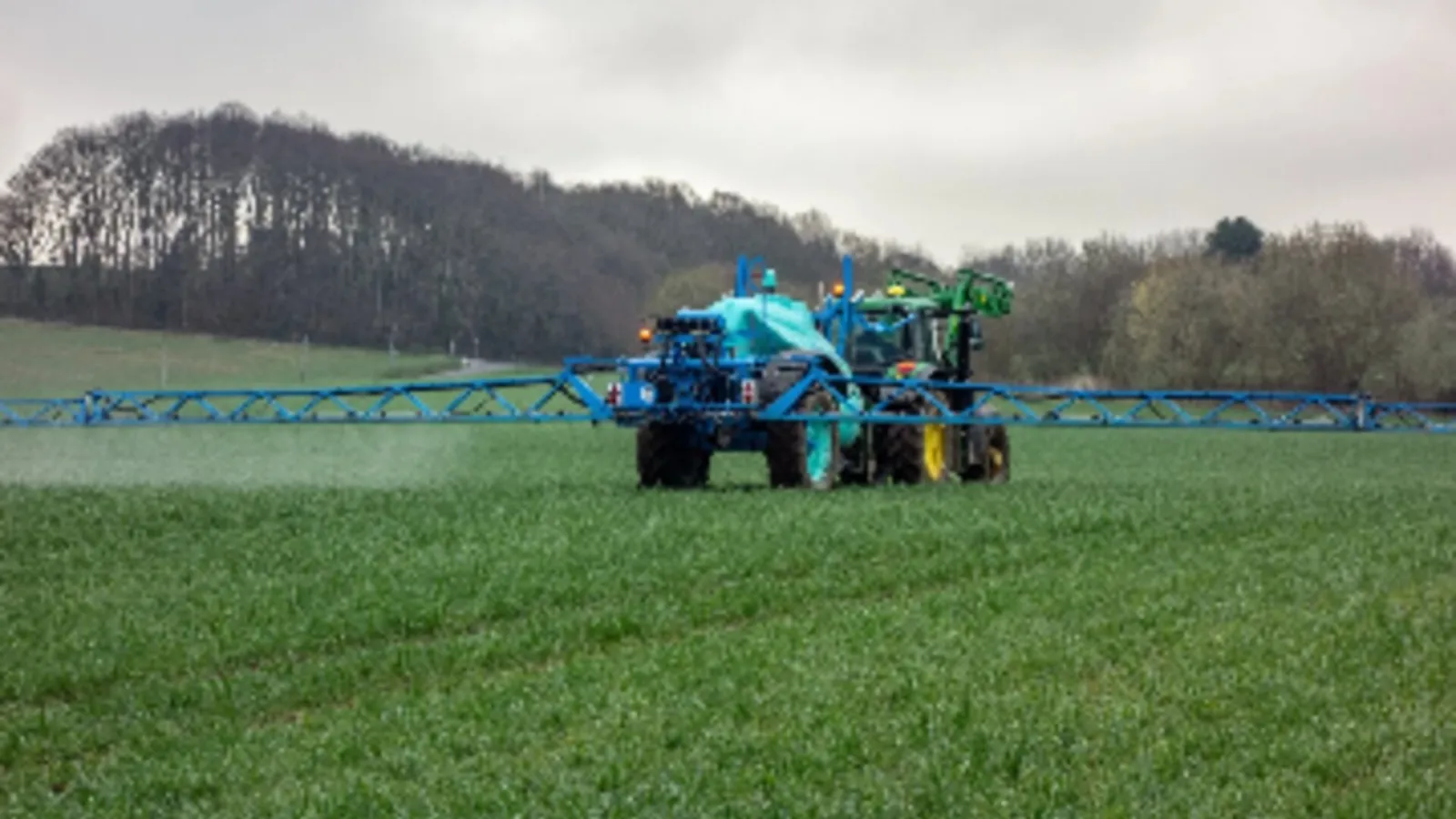
Managing phosphorus properly involves more than just applying fertilizers to the soil. Soil composition, crop type, and environmental conditions must be taken into account. With Daila, farmers can use data and analysis to optimize the amount of phosphorus needed in different areas of the field, thus achieving a more specific and sustainable application.
Timing: The right moment to apply phosphorus
Applying phosphorus at the right time is essential to maximize its absorption by plants. Phosphorus availability in the soil can vary with temperature, humidity, and other factors. Daila helps farmers identify the optimal time for application, based on a comprehensive soil analysis and the specific needs of the crop.
Risks of incorrect application
Applying too much or too little phosphorus can have detrimental effects on the environment and crop health. Excess can lead to the eutrophication of nearby water bodies, while deficiency results in weak vegetative growth and low productivity. It is essential to balance application to maximize yield and minimize environmental impact.
Daila and phosphorus management
Daila offers comprehensive solutions for effective phosphorus management in agriculture. By using a scientific approach and detailed analysis, farmers can determine the precise amount of phosphorus to be applied in each specific area of their field. This results in better resource management and more sustainable and efficient agriculture.
Phosphorus is a key element in agriculture that requires meticulous attention for its effective management. Its importance lies in both its nutritional function and its impact on agricultural and environmental sustainability. Understanding its role and how to manage it effectively can make a big difference in the quality and quantity of crop yield.