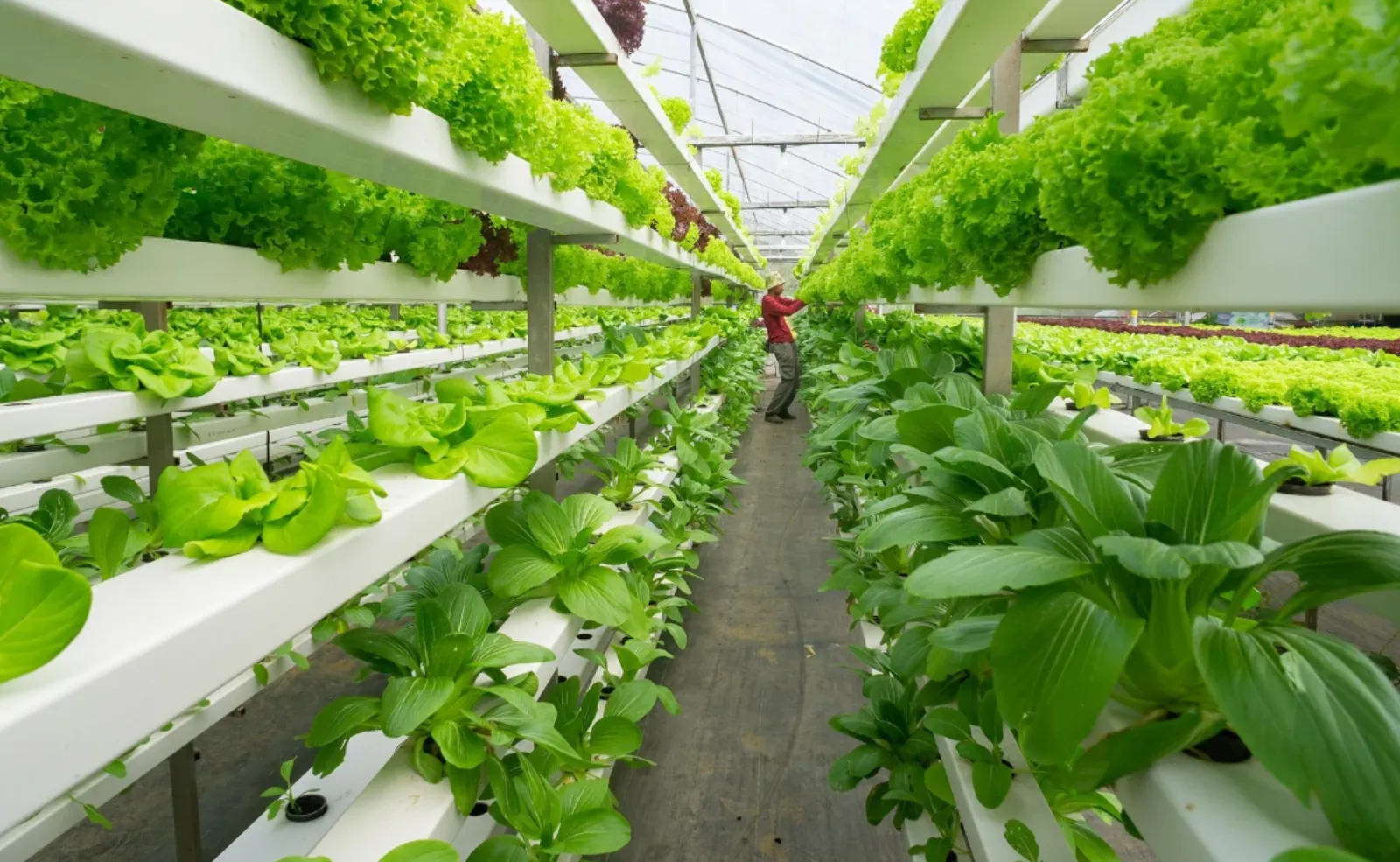
The Role of Nitrogen in Agriculture
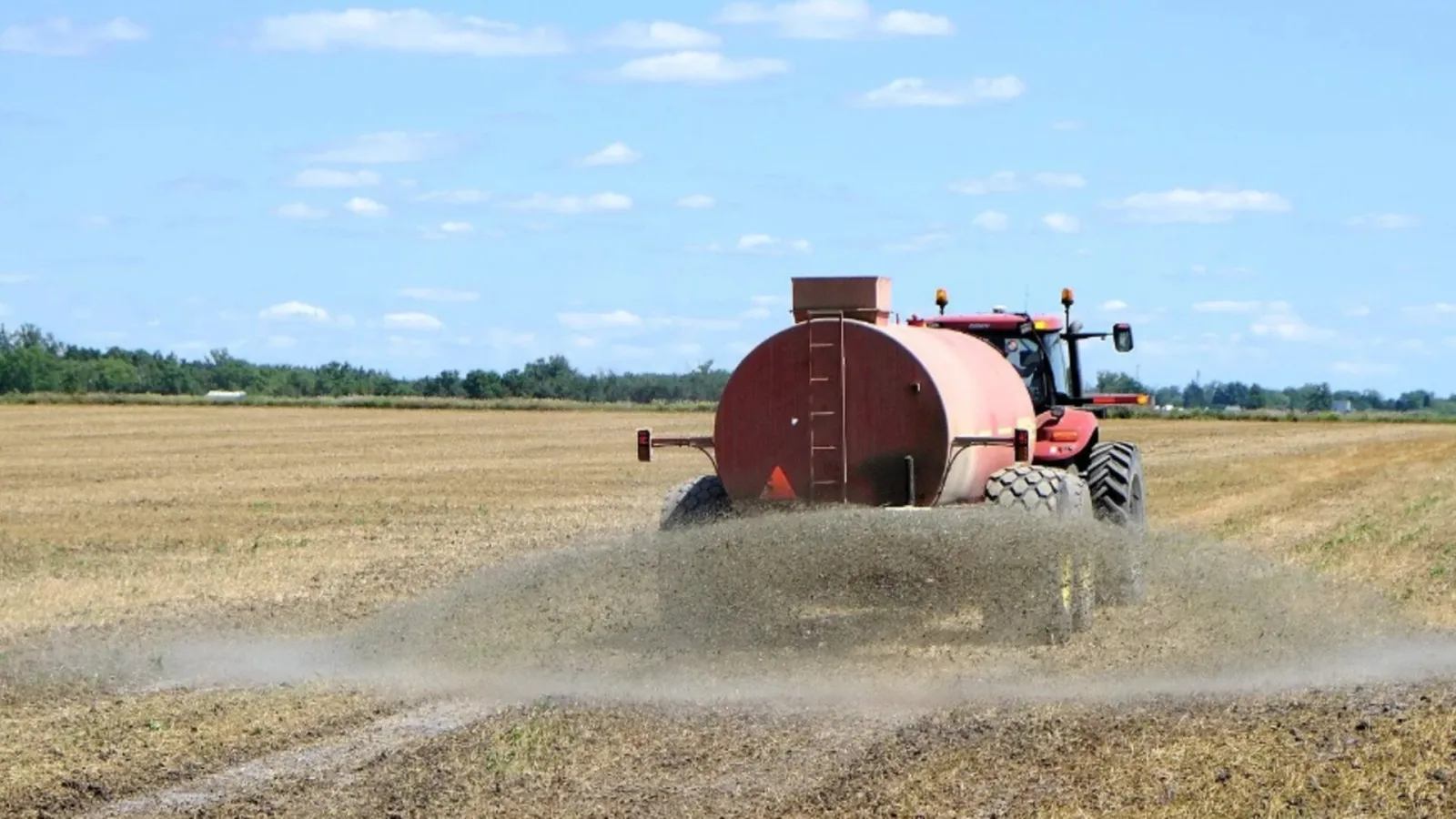
A crucial balance for crops: nitrogen is an essential element for plants, acting as a key component in the formation of proteins and nucleic acids. It also plays a vital role in photosynthesis. Without enough nitrogen, crops experience limited growth, yellow leaves, and decreased yield; understanding its importance is crucial for any successful agricultural effort.
Why is nitrogen important?
Nitrogen is part of chlorophyll, proteins, and nucleic acids. It is the nutrient that most limits growth in most crops: balanced nitrogen nutrition translates into greater biomass, green leaves, and optimal yields.
Proper nitrogen application
Achieving efficient nitrogen application is a delicate balancing act. It requires taking into account several factors, such as crop type, soil quality and composition, as well as weather conditions. Daila offers a data-driven approach to determine the optimal amount of nutrients needed in each zone of the field, allowing for a more precise application that maximizes both yield and sustainability.
Timing: The right moment to apply nitrogen
Nitrogen uptake by plants is most efficient when applied at certain growth stages. Applying it too early or too late can lead to inefficient absorption and environmental issues, such as leaching. Daila helps avoid this by determining the optimal time of application, based on detailed analysis of soil conditions and the specific needs of the crop.
Risks of incorrect application
- Excess nitrogen: can result in excessive vegetative growth, sacrificing fruit or seed production and contributing to environmental problems such as aquifer contamination.
- Nitrogen deficiency: translates into stunted growth and pale yellow leaves, affecting the yield and quality of the crop.
Daila and nitrogen management
Daila offers a scientific approach to nitrogen management. Through careful analysis of soil and crop conditions, the platform helps farmers determine the optimal amount of nitrogen to be applied in each zone of the field. This data-driven approach allows for more efficient management, resulting in an improvement in both the quality and yield of crops.
The importance of nitrogen in agriculture goes beyond its function as a nutrient. It is a resource that, if managed correctly, can lead to more sustainable and productive agriculture. Understanding how much, how, and when to apply nitrogen can make a big difference in the efficiency of agricultural operations, and this is where modern science and technology have a crucial role to play.