
The Role of Potassium
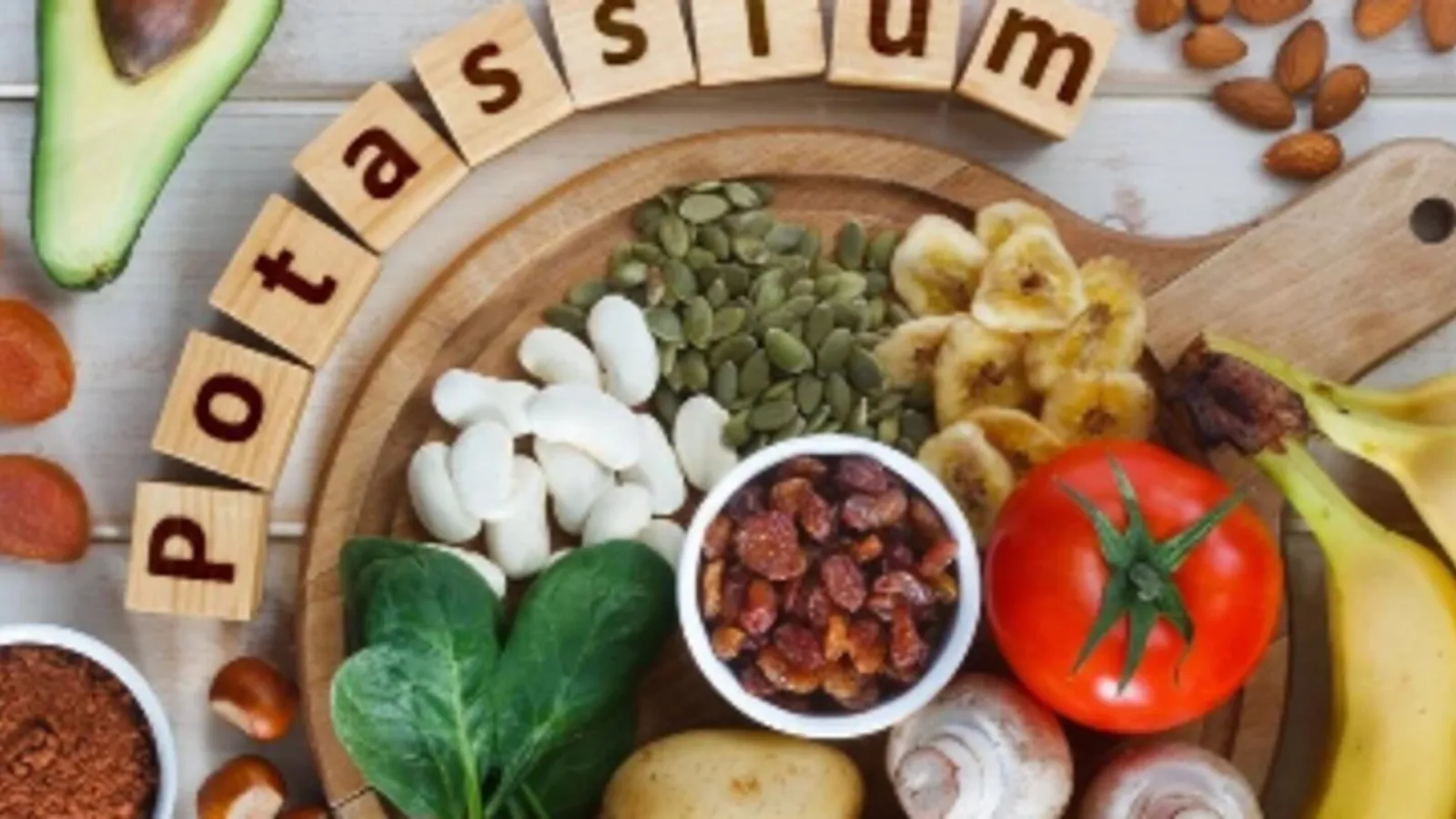
More than just a nutrient: potassium is a vital macronutrient that contributes to plant strengthening, improves disease resistance, and optimizes fruit quality. This nutrient plays an essential role in regulating water in and out of plant cells, directly affecting plant turgidity and, therefore, its general health.
Why is potassium important in crops?
Potassium is involved in the opening and closing of stomata, enzyme activation, and sugar transport. Balanced potassium nutrition translates into plants more resistant to water stress, pests, and diseases, and fruits with better size and quality.
Proper application of potassium
Precise administration of potassium is fundamental for success in any agricultural operation. As with other nutrients, application must be adjusted to avoid deficits or excesses that could harm the crop and the soil. A detailed analysis of the soil and the specific needs of the crop allow for a more focused and sustainable application of potassium.
Timing: the right time to apply potassium
The effectiveness of potassium in agriculture is also linked to the time of application. Factors such as the crop growth stage and soil conditions must be taken into account to maximize the benefits of the nutrient.
Risks of incorrect application
Inadequate potassium management can have negative consequences for both the crop and the environment. An excess of potassium can interfere with the absorption of other nutrients, while a deficiency can result in weak plants that are more susceptible to diseases and pests.
Optimization of potassium use
To ensure efficient potassium application, tools like Daila can be used to enable decision-making based on precise data. In this context, optimizing nutrient dosing, including potassium, is an area where Daila is highly useful.
Potassium is a vital element for crop health and yield. Effective potassium management is crucial for agricultural sustainability and productivity. Specialized platforms like Daila can play a relevant role in optimizing the application of this macronutrient, ensuring the right dose and timing for its use.