Crop Rotation
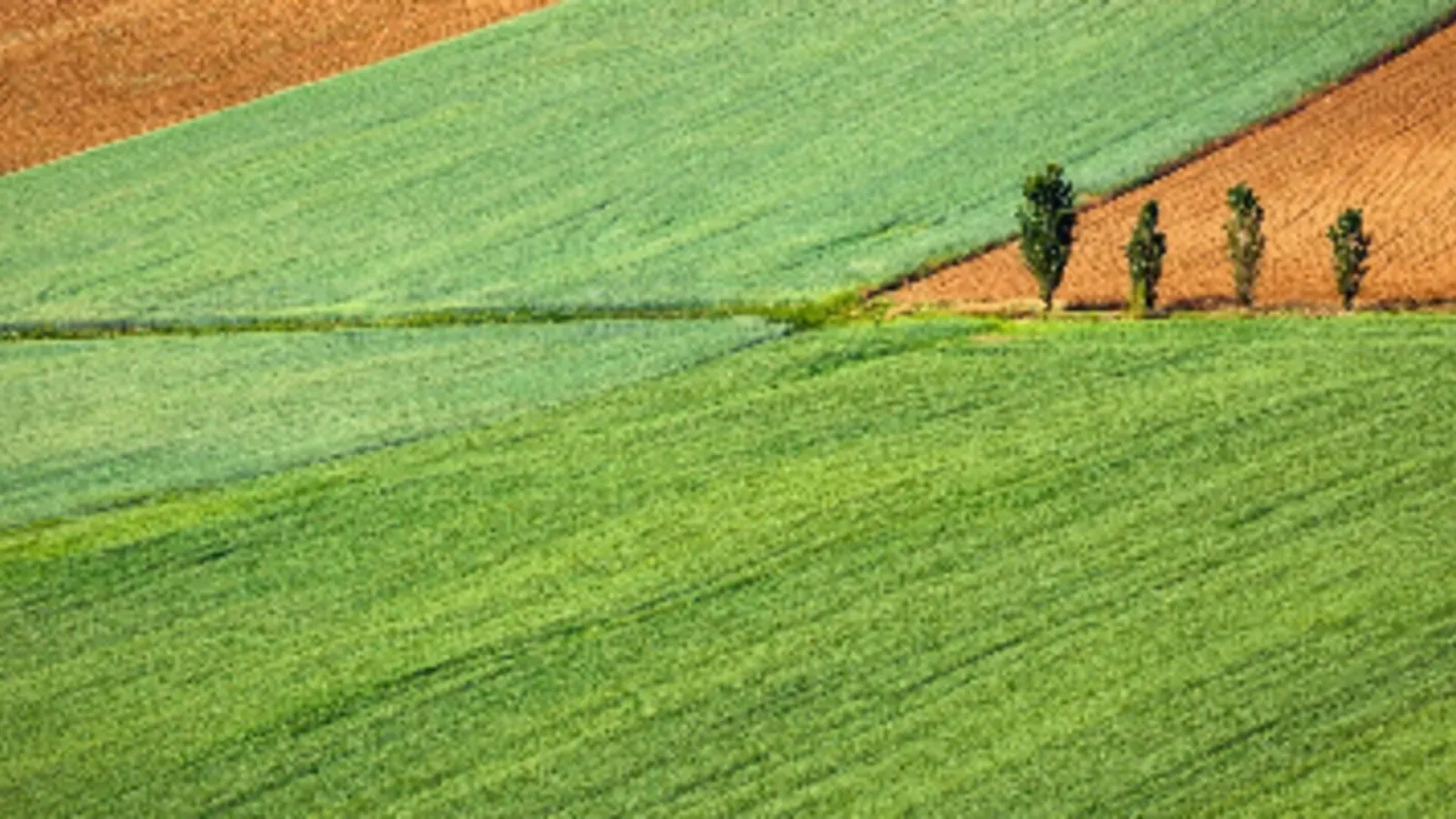
Crop rotation is a fundamental agricultural practice that goes beyond a simple change of plants in the field; it is a vital strategy for soil health and long-term sustainability. In this blog, we will explore why crop rotation is necessary, its positive impacts, and how it can improve agricultural efficiency.
Why is crop rotation necessary?
Nutritional diversification
Rotating crops involves changing the species planted in a specific area during different seasons. This helps prevent selective nutrient depletion in the soil, as different plants have distinct nutritional needs.
Pest and disease control
Crop rotation is a natural strategy to reduce the proliferation of specific pests and diseases. By changing crops, the life cycle of harmful organisms is interrupted, decreasing the need for pesticides.
Improvement of soil structure
Certain plants have deeper root systems, while others are more superficial. Rotation contributes to a healthier soil structure, as different types of roots positively affect soil texture and water retention capacity.
Positive impacts of crop rotation
Increase in soil fertility
By avoiding monoculture, the overexploitation of certain nutrients is avoided and a more sustainable nutritional balance is promoted. This, in turn, improves soil fertility over time.
Reduction of soil erosion
Rotation can include planting crops with root systems that help prevent erosion. This is essential for maintaining soil quality and preventing nutrient loss through runoff.
Improving agricultural efficiency with Daila
In the successful implementation of crop rotation, informed decisions play a crucial role. Platforms like Daila use data analysis to provide precise recommendations on rotation, considering the soil's nutritional needs and the specific conditions of each area.
Implementing crop rotation: practical tips
Effective implementation of rotation requires a strategic approach and careful consideration. These tips are backed by agricultural experience accumulated over time:
- Diversify crop families: alternate distinct botanical families. For example, after solanaceous plants (tomato, potato), plant legumes (peas, lentils) to prevent pests and diseases.
- Rotation with soil-improving crops: introduce legumes that fix nitrogen. After corn, plant beans to provide nutrients and improve structure.
- Consider water needs: alternate crops with high and low water demands. After lettuce (constant irrigation), a more resistant cereal like barley.
- Seasonal planning: design rotation according to seasons and local climate; take advantage of rainy seasons for crops that benefit from that moisture.
- Integrate cover crops: for example, oats after leafy vegetables to avoid erosion and increase organic matter.
- Observe and record results: keep a record of health, yields, and incidents to adjust the rotation season after season.
- Consult with local experts: farmers, agronomists, and extensionists know the specific challenges of your region.
- Test and learn: experiment first with small plots before scaling a new rotation sequence.
Conclusions and future perspectives
Crop rotation is not just a traditional practice; it is an essential strategy for agricultural sustainability. By adopting practices that promote diversity and soil health, farmers not only improve current efficiency but also contribute to the long-term preservation of the land they cultivate.