Carbon Sequestration
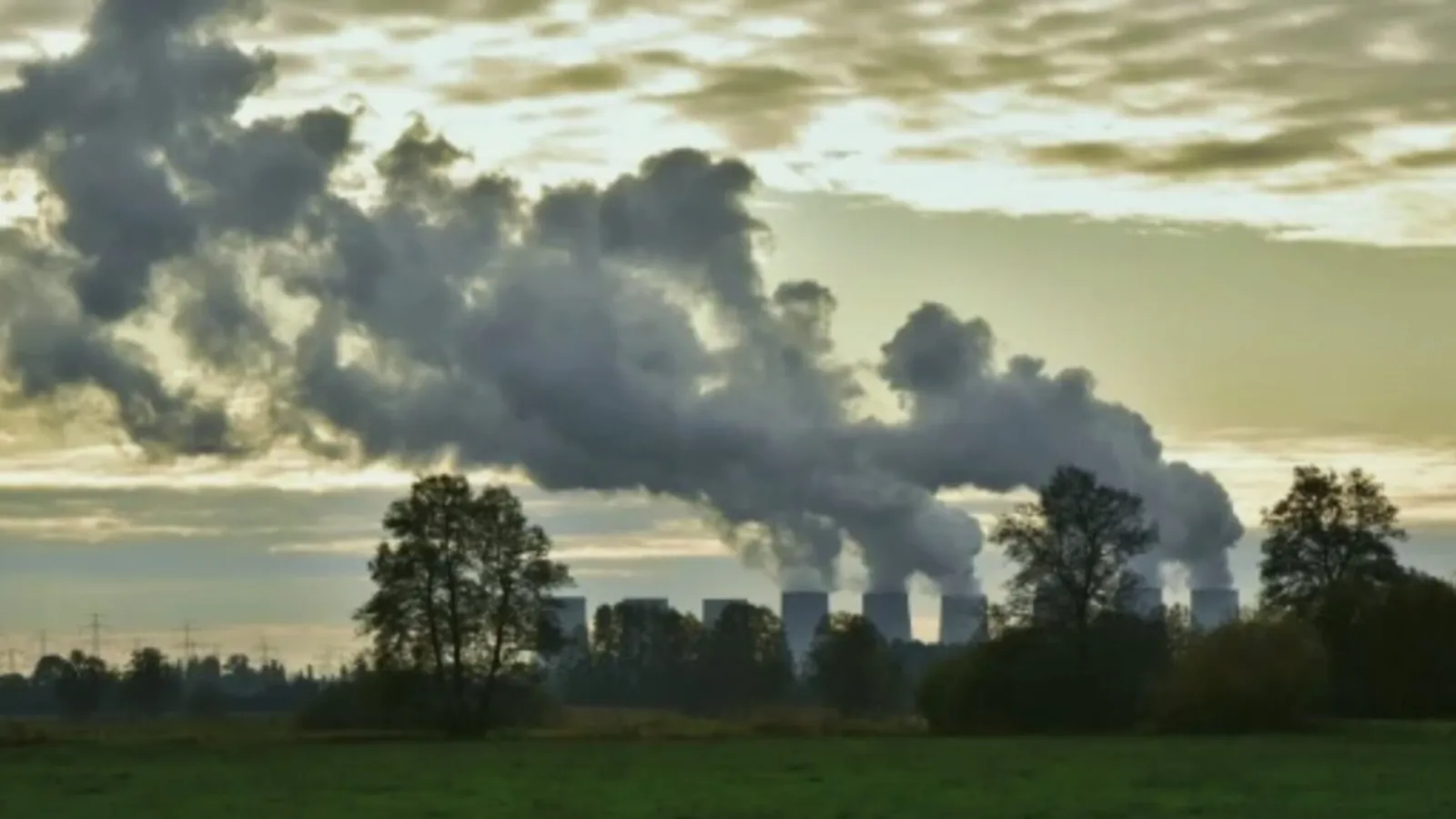
Carbon sequestration is a natural and artificial process that removes carbon dioxide (CO₂) from the atmosphere and stores it in the oceans, terrestrial biomass, and soil. In the agricultural context, it is essential because it reduces the amount of atmospheric CO₂, helping to mitigate climate change while improving soil quality and crop health.
Strategies to promote sustainability and mitigate climate change
In a world where climate change is an increasingly urgent reality, agriculture presents itself as a key piece in mitigating its effects. Carbon sequestration in agriculture—the ability to capture and store atmospheric carbon in the soil and plant biomass—emerges as a fundamental strategy to reduce greenhouse gas emissions and promote environmental sustainability.
Strategies to improve carbon sequestration in agriculture
- Sustainable agricultural practices: regenerative agriculture, agroforestry management, and crop rotation increase the amount of carbon stored in the soil and plant biomass.
- Soil management: reducing tillage, applying compost, and using cover crops increase soil organic matter and its carbon retention capacity.
- Agroforestry: integrating trees into agricultural systems increases sequestration through photosynthesis, in addition to improving biodiversity and system resilience.
- Cover crops: planting covers between main harvests protects the soil from erosion and fixes carbon during its growth.
Importance of carbon sequestration in sustainable agriculture
Carbon sequestration in agriculture not only contributes to mitigating climate change by reducing CO₂ emissions, but also promotes soil health, increases crop resilience to extreme weather conditions, and improves agricultural biodiversity. Additionally, by increasing the soil's water retention capacity, it helps combat desertification and erosion.
Carbon sequestration in agriculture is a powerful and multifaceted strategy to face the challenges of climate change. By adopting sustainable agricultural practices and soil management techniques, farmers can reduce their carbon footprint, improve the health of their lands, increase their crop productivity, and contribute to a more sustainable and resilient future for everyone.