No-Till Farming
Direct seeding, more than an agricultural innovation, is a transformative chapter in the narrative of how we interact with the land. This method, which challenges conventions by abolishing the need for plowing, has its roots intertwined with the history of agriculture.
What is direct seeding?
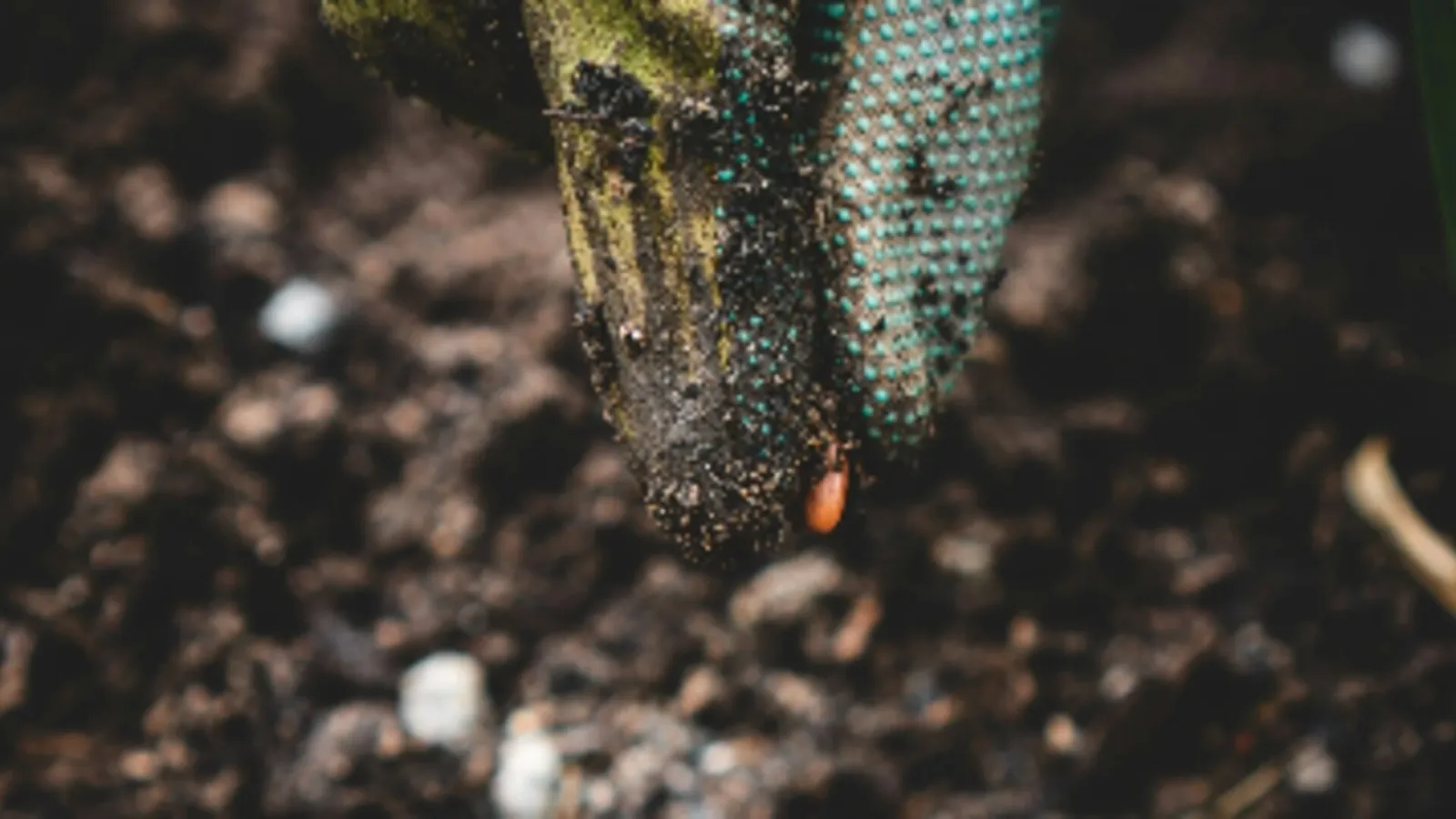
Direct seeding is a cultivation method that involves sowing seeds directly into the soil without plowing or previously preparing the land. Unlike traditional practices, this conservative approach minimizes soil disturbance, preserving its structure and health.
What direct seeding consists of
- Minimal tillage: the land is minimally disturbed, conserving soil structure and avoiding erosion.
- Residual cover: remains of previous crops are left on the surface, acting as cover and protecting the soil from erosion and moisture loss.
- Biodiversity benefits: encourages the presence of beneficial microorganisms and improves soil biodiversity.
Benefits of direct seeding
- Water conservation: by reducing soil disturbance, water retention is improved, and the need for irrigation is reduced.
- Less soil erosion: residual cover and conserved soil structure minimize erosion, protecting the nutrient-rich topsoil.
- Lower fuel consumption: by eliminating or reducing plowing labors, fuel consumption and carbon emissions are reduced.
Is special machinery needed for direct seeding?
Direct seeding generally requires specific machinery, such as direct seeders and cultivators that can work without the need for plowing. These machines are designed to cut and deposit the seed into the soil without inverting the earth.
How long does it take to see the benefits?
The time to see the benefits of direct seeding can vary depending on factors such as soil type, climate, and previous agricultural practices. However, many farmers report improvements in water retention and soil quality within the first few years of adoption.
Direct seeding represents a significant shift toward more sustainable agricultural practices. By minimizing soil disturbance, it conserves natural resources and contributes to the long-term health of the fields. The investment in proper machinery and the patience to see long-term benefits make direct seeding a strategic choice for farmers committed to sustainability.